Can 3d Printing Change the Way We Build?
The Rapid Evolution of 3D Printing in Construction
The construction industry has seen significant technological advancements over the years, with one of the most groundbreaking innovations being 3D printing. From creating small prototypes to constructing entire buildings, the capabilities of 3D printing in construction have shown immense potential. This technology has the power to revolutionize the way we build structures, offering numerous benefits such as cost-effectiveness, efficiency, and sustainability. Let’s delve deeper into how 3D printing is changing the construction landscape.
Unleashing Creativity and Customization
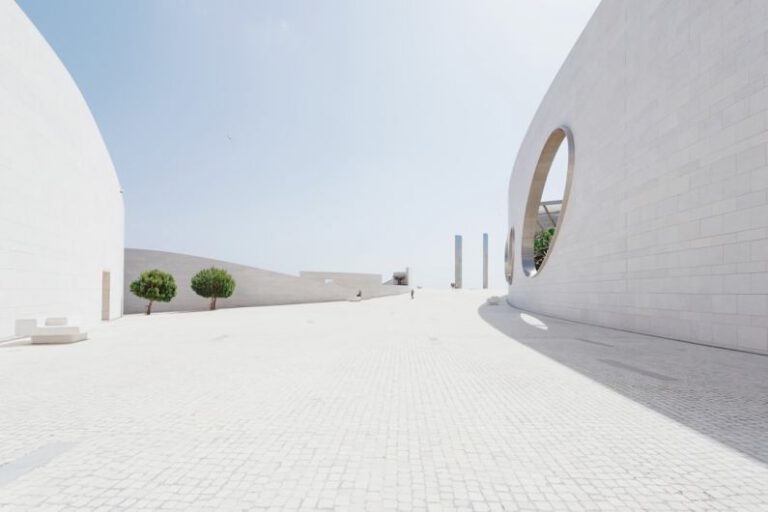
3D printing opens up a world of possibilities when it comes to design and customization. Traditional construction methods often come with limitations in terms of intricate designs and unique shapes. However, with 3D printing, architects and designers can push the boundaries of creativity by easily translating complex designs into physical structures. This level of customization allows for the creation of truly one-of-a-kind buildings that stand out in terms of aesthetics and functionality.
Reducing Construction Time and Costs
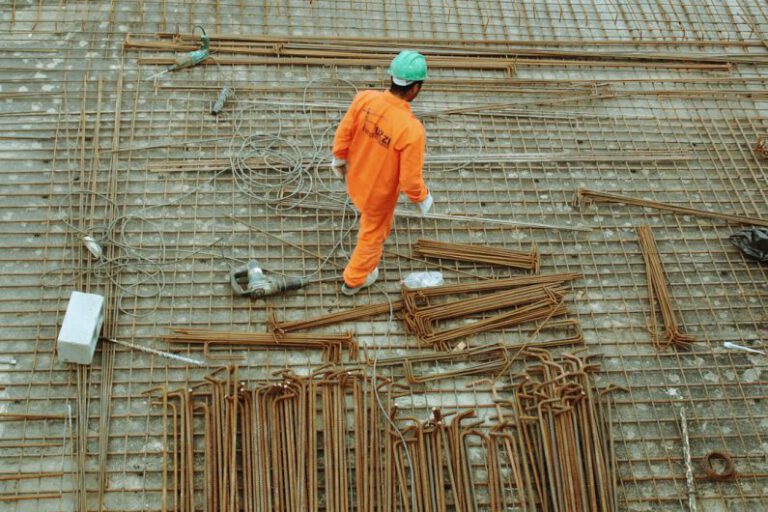
One of the key advantages of 3D printing in construction is its ability to significantly reduce both time and costs associated with building projects. Traditional construction methods can be time-consuming and labor-intensive, leading to delays and budget overruns. In contrast, 3D printing enables a faster and more efficient construction process, as large-scale structures can be built in a fraction of the time it takes using conventional methods. This not only saves on labor costs but also minimizes material wastage, making 3D printing a cost-effective solution for construction projects.
Enhancing Sustainability and Environmental Impact
With the increasing focus on sustainability in the construction industry, 3D printing offers a more eco-friendly alternative to traditional building methods. By using materials more efficiently and producing less waste, 3D printing helps reduce the environmental impact of construction projects. Additionally, the ability to use recycled materials in the printing process further contributes to sustainability efforts. As we continue to prioritize environmentally friendly practices, 3D printing presents itself as a viable solution for creating sustainable structures.
Overcoming Construction Challenges
3D printing technology has the potential to address many of the challenges faced by the construction industry. For instance, in areas prone to natural disasters, 3D printing can provide a quick and efficient way to build disaster-resistant structures. By using durable materials and innovative design techniques, 3D-printed buildings can withstand extreme weather conditions and ensure the safety of occupants. Moreover, in remote or hard-to-reach locations, 3D printing offers a practical solution for constructing essential infrastructure without the need for extensive logistical support.
Embracing the Future of Construction
As we look towards the future, it is clear that 3D printing will continue to play a significant role in shaping the construction industry. The possibilities offered by this technology are endless, from building affordable housing to creating sustainable urban developments. By embracing 3D printing, construction companies can streamline their processes, reduce costs, and deliver innovative solutions to meet the evolving needs of society. With ongoing research and development in this field, we can expect to see even more impressive feats accomplished through 3D printing in construction.