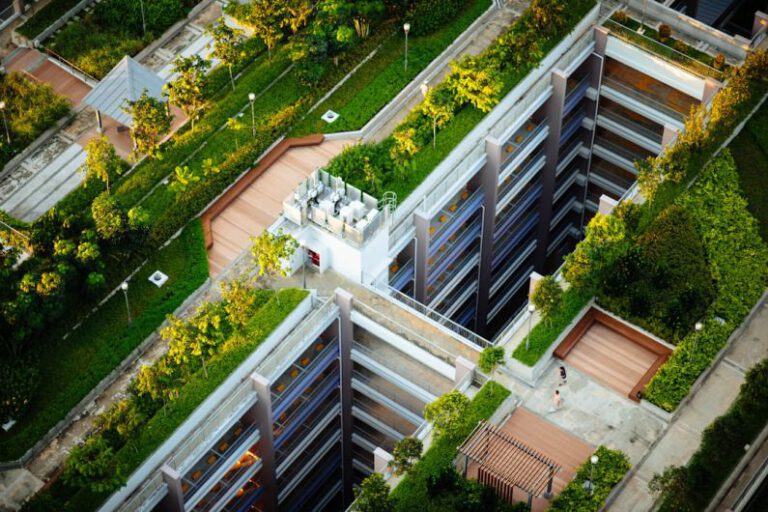
How Can We Measure the Success of Sustainable Architecture?
Sustainable architecture has become increasingly prominent in the modern world as we strive towards more environmentally friendly and efficient building practices. However, measuring the success of sustainable architecture can be a complex and multifaceted task. It involves evaluating various factors beyond just energy efficiency or material usage. In this article, we will explore how we can effectively measure the success of sustainable architecture through a holistic lens that considers both environmental and social impacts.
**Defining Success in Sustainable Architecture**
Success in sustainable architecture goes beyond the mere incorporation of green technologies or materials. It encompasses a broader perspective that takes into account the environmental, social, and economic aspects of a building or project. Sustainable architecture aims to minimize the negative impact on the environment, promote the health and well-being of occupants, and contribute positively to the surrounding community. Therefore, measuring the success of sustainable architecture requires an evaluation of these diverse factors to truly gauge the overall impact of a project.
**Environmental Impact**
One of the primary ways to measure the success of sustainable architecture is by assessing its environmental impact. This involves looking at factors such as energy consumption, water usage, waste generation, and carbon emissions. Sustainable buildings should be designed to reduce their energy and water consumption through efficient systems and technologies. Additionally, they should aim to minimize waste generation and promote recycling and reuse practices. By quantifying these metrics, we can evaluate the environmental performance of a building and determine its level of sustainability.
**Social Impact**
In addition to environmental considerations, the social impact of sustainable architecture is a crucial aspect of measuring its success. Sustainable buildings should prioritize the health and well-being of occupants by providing a comfortable and healthy indoor environment. This includes factors such as indoor air quality, natural lighting, thermal comfort, and acoustics. Furthermore, sustainable architecture should also consider the social aspects of a building, such as its accessibility, inclusivity, and contribution to the local community. By evaluating these social impacts, we can assess the overall quality of life and well-being that a sustainable building provides to its users.
**Economic Viability**
Another important aspect of measuring the success of sustainable architecture is its economic viability. While sustainable building practices may involve higher upfront costs, they can lead to long-term savings through reduced energy and maintenance expenses. Therefore, it is essential to consider the life cycle costs of a building, including construction, operation, and maintenance, to determine its economic sustainability. Additionally, sustainable buildings can also add value to properties and contribute to the overall economic development of a region. By analyzing the economic aspects of sustainable architecture, we can assess its long-term viability and return on investment.
**Measuring Success Through Certifications and Ratings**
One common way to measure the success of sustainable architecture is through certifications and ratings systems. Organizations such as LEED (Leadership in Energy and Environmental Design) and BREEAM (Building Research Establishment Environmental Assessment Method) provide frameworks for evaluating the sustainability of buildings based on various criteria. These certifications consider factors such as energy efficiency, materials usage, indoor environmental quality, and site sustainability. By achieving these certifications, buildings can demonstrate their commitment to sustainable practices and their overall success in meeting environmental and social goals.
**Innovative Design Solutions**
Lastly, measuring the success of sustainable architecture can also involve innovative design solutions that push the boundaries of traditional building practices. Architects and designers are constantly exploring new technologies and strategies to create buildings that are more sustainable, resilient, and responsive to their environment. This can include passive design strategies, green building materials, renewable energy systems, and smart building technologies. By embracing these innovative design solutions, sustainable architecture can continue to evolve and improve its performance in terms of sustainability and overall success.
**Evaluating Overall Impact**
Ultimately, measuring the success of sustainable architecture requires a comprehensive evaluation of its overall impact on the environment, society, and economy. By considering factors such as environmental performance, social impact, economic viability, certifications, and innovative design solutions, we can gain a holistic understanding of the success of sustainable architecture. It is through this multifaceted approach that we can truly assess the effectiveness and significance of sustainable building practices in creating a more sustainable and resilient built environment.
**In Summary**
Measuring the success of sustainable architecture involves evaluating its environmental impact, social impact, economic viability, certifications and ratings, and innovative design solutions. By considering these diverse factors, we can gain a comprehensive understanding of the overall impact and effectiveness of sustainable building practices. Sustainable architecture plays a crucial role in creating a more sustainable and resilient built environment, and by measuring its success through a holistic lens, we can continue to advance towards a more sustainable future.