Are Zero-energy Buildings Achievable Today?
In a world where energy efficiency and sustainability are becoming increasingly important, the concept of zero-energy buildings has gained significant traction. The idea behind zero-energy buildings is to create structures that produce as much energy as they consume, resulting in a net-zero energy footprint. But are zero-energy buildings achievable today? Let’s delve into the current state of zero-energy buildings and explore the challenges and opportunities that lie ahead.
The Current Landscape of Zero-energy Buildings
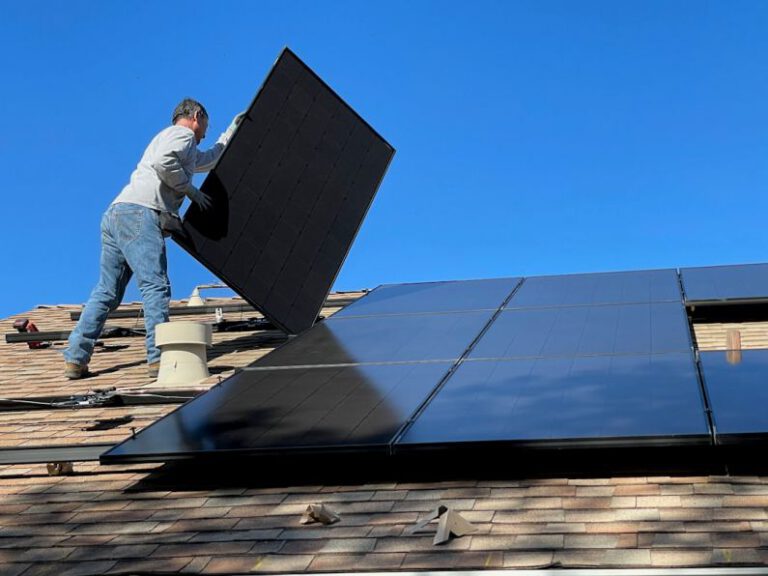
Zero-energy buildings are designed to maximize energy efficiency through a combination of passive design strategies, energy-efficient technologies, and renewable energy sources. These buildings are equipped with features such as high-performance insulation, energy-efficient lighting, solar panels, and advanced HVAC systems to minimize energy consumption and maximize energy generation on-site.
Many countries and regions around the world have set ambitious goals to increase the number of zero-energy buildings in their urban landscapes. Governments, architects, engineers, and developers are collaborating to push the boundaries of sustainable building design and construction. The Zero Energy Building Certification program by the International Living Future Institute is one example of a global initiative that recognizes and promotes buildings that achieve net-zero energy performance.
Overcoming Challenges in Achieving Zero-energy Buildings
While the concept of zero-energy buildings is promising, several challenges need to be addressed to make widespread adoption a reality. One of the main obstacles is the high upfront cost of implementing energy-efficient technologies and renewable energy systems in buildings. The initial investment required for solar panels, energy-efficient appliances, and other sustainable features can be prohibitive for many developers and homeowners.
Additionally, the performance of zero-energy buildings is highly dependent on factors such as location, climate, and building orientation. Designing and constructing a zero-energy building that can achieve net-zero energy performance in all conditions requires careful planning and consideration of local climate patterns and energy usage patterns.
Furthermore, the lack of standardized metrics and guidelines for zero-energy buildings poses a challenge for the industry. Without clear definitions and benchmarks for what constitutes a zero-energy building, it can be difficult for stakeholders to measure and compare the energy performance of different projects accurately.
The Role of Technology in Advancing Zero-energy Buildings
Advancements in building technology and design have played a crucial role in advancing the feasibility of zero-energy buildings. Innovations such as Building Information Modeling (BIM), smart building systems, and energy management software have enabled architects and engineers to optimize building performance and energy efficiency throughout the design and construction process.
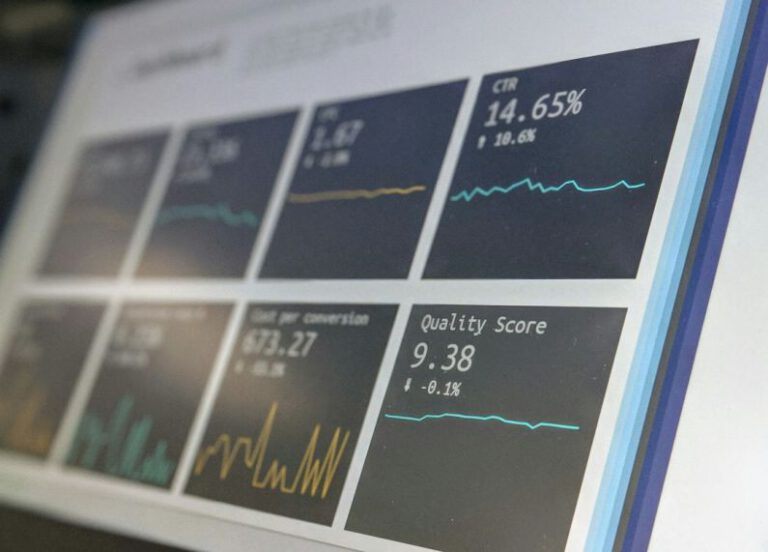
Smart building technologies, such as automated lighting controls, occupancy sensors, and energy monitoring systems, help reduce energy waste and improve occupant comfort in zero-energy buildings. These technologies enable building owners to track energy usage in real-time, identify areas for improvement, and adjust building systems accordingly to optimize energy performance.
Renewable energy sources, such as solar panels, wind turbines, and geothermal systems, are also key components of zero-energy buildings. By harnessing renewable energy on-site, buildings can generate clean, sustainable power to offset their energy consumption from the grid. Integration of energy storage solutions, such as batteries and thermal storage systems, further enhances the resilience and reliability of zero-energy buildings.
The Future of Zero-energy Buildings
As technology continues to evolve and the demand for sustainable buildings grows, the future of zero-energy buildings looks promising. Innovations in materials, construction techniques, and renewable energy systems are driving down costs and increasing the feasibility of zero-energy building projects.
Collaboration among industry stakeholders, policymakers, and researchers is essential to overcome the remaining barriers to widespread adoption of zero-energy buildings. By setting clear goals, establishing standardized metrics, and incentivizing sustainable building practices, we can accelerate the transition towards a more sustainable built environment.
In conclusion, while zero-energy buildings present significant challenges, they are indeed achievable today with the right combination of technology, innovation, and collaboration. By embracing sustainable building practices and investing in energy-efficient solutions, we can create a more resilient and sustainable future for generations to come.