How Can We Retrofit Old Buildings to Be More Sustainable?
Retrofitting Old Buildings to Be More Sustainable
Old buildings hold a sense of history and character that adds richness to our cities and towns. However, many older structures were not designed with sustainability in mind. As we face the challenges of climate change and increasing energy costs, it becomes crucial to find ways to make these buildings more environmentally friendly and energy-efficient. Retrofitting old buildings is a sustainable solution that can help reduce their carbon footprint and improve their overall performance. Let’s explore some effective strategies for retrofitting old buildings to be more sustainable.
Preserving Historic Charm While Enhancing Sustainability
Preserving the historic charm of old buildings is essential when retrofitting them for sustainability. It is possible to maintain the architectural integrity of these structures while incorporating modern sustainable features. For instance, installing energy-efficient windows that mimic the original design can improve insulation and reduce energy consumption without compromising the building’s aesthetics.
Utilizing Renewable Energy Sources
One effective way to make old buildings more sustainable is by incorporating renewable energy sources. Solar panels can be installed on the roof or facade of the building to generate clean electricity. This not only reduces the building’s reliance on fossil fuels but also lowers energy costs in the long run. Additionally, geothermal heating and cooling systems can be implemented to provide efficient climate control without the need for traditional HVAC systems.
Improving Insulation and Air Tightness
Old buildings often suffer from poor insulation and air leakage, leading to energy waste and discomfort for occupants. By improving insulation and air tightness, the building’s energy efficiency can be significantly enhanced. This can be achieved through adding insulation to walls and roofs, sealing gaps and cracks, and upgrading doors and windows to prevent heat loss or gain.
Implementing Water Conservation Strategies
Water conservation is another important aspect of sustainable retrofitting. Old buildings can be equipped with low-flow fixtures, such as toilets, faucets, and showerheads, to reduce water consumption. Rainwater harvesting systems can also be installed to collect and reuse rainwater for irrigation or non-potable uses, further reducing the building’s environmental impact.
Integrating Smart Building Technologies
Incorporating smart building technologies into old buildings can greatly improve their sustainability. Smart thermostats, lighting controls, and energy monitoring systems can help optimize energy use and identify areas for improvement. These technologies allow for more efficient operation of building systems and provide valuable data for ongoing energy management.
Promoting Green Roofs and Vertical Gardens
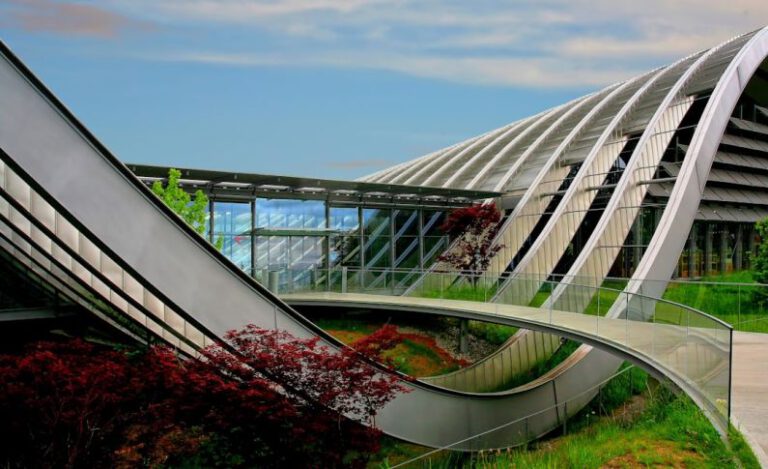
Green roofs and vertical gardens offer multiple benefits for old buildings undergoing retrofitting. Not only do they enhance the building’s aesthetics and provide additional green space, but they also help reduce urban heat island effect, improve air quality, and provide insulation to regulate indoor temperatures. Green roofs and vertical gardens can be integrated into the building design to maximize their environmental impact.
Encouraging Sustainable Transportation Options
In addition to retrofitting the building itself, promoting sustainable transportation options can further enhance its overall sustainability. Providing bike storage facilities, electric vehicle charging stations, and access to public transportation encourages occupants to reduce their carbon footprint and reliance on cars. This holistic approach to sustainability considers not only the building’s energy use but also its impact on transportation and the surrounding community.
Embracing a Circular Economy Approach
A circular economy approach to retrofitting old buildings involves reusing materials, reducing waste, and maximizing resource efficiency. Salvaging and repurposing materials from the existing structure, such as wood, brick, and metal, can reduce the environmental impact of the retrofitting process. Additionally, choosing durable and recyclable materials for new components ensures that the building remains sustainable in the long term.
Revitalizing Old Buildings for a Sustainable Future
Retrofitting old buildings to be more sustainable is a multifaceted process that requires careful planning, innovative solutions, and a commitment to preserving our architectural heritage. By integrating renewable energy sources, improving insulation and air tightness, implementing water conservation strategies, and embracing smart building technologies, we can transform old buildings into beacons of sustainability. With a focus on preserving historic charm while enhancing environmental performance, old buildings can continue to stand the test of time and contribute to a more sustainable future for generations to come.