Can Green Buildings Help Combat Climate Change?
Buildings are responsible for a significant portion of global greenhouse gas emissions. From the materials used in construction to the energy required for operation, the built environment has a substantial impact on the environment. In the fight against climate change, the role of buildings cannot be overlooked. The concept of green buildings has emerged as a promising solution to reduce the environmental footprint of the construction industry and combat climate change.
### The Rise of Green Buildings
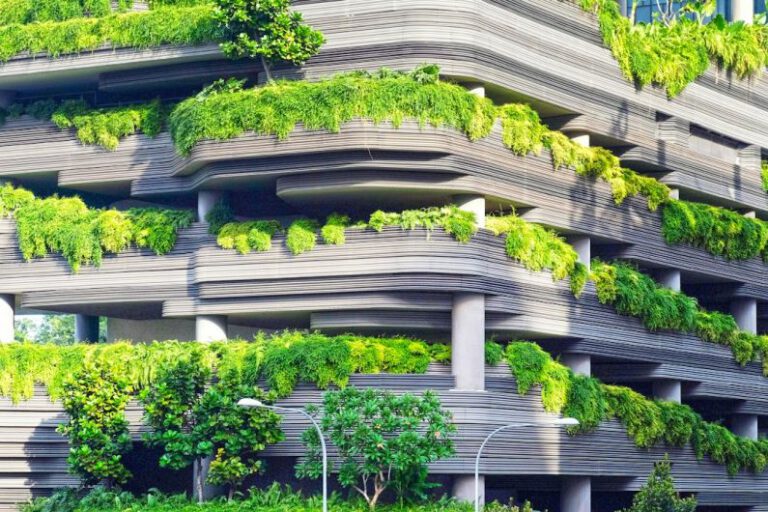
Green buildings, also known as sustainable or environmentally friendly buildings, are designed and constructed with a focus on minimizing negative impacts on the environment. These structures are built using environmentally responsible materials, energy-efficient technologies, and sustainable design principles. The goal of green buildings is to reduce energy consumption, conserve resources, and create healthier indoor environments for occupants.
### Energy Efficiency and Green Buildings
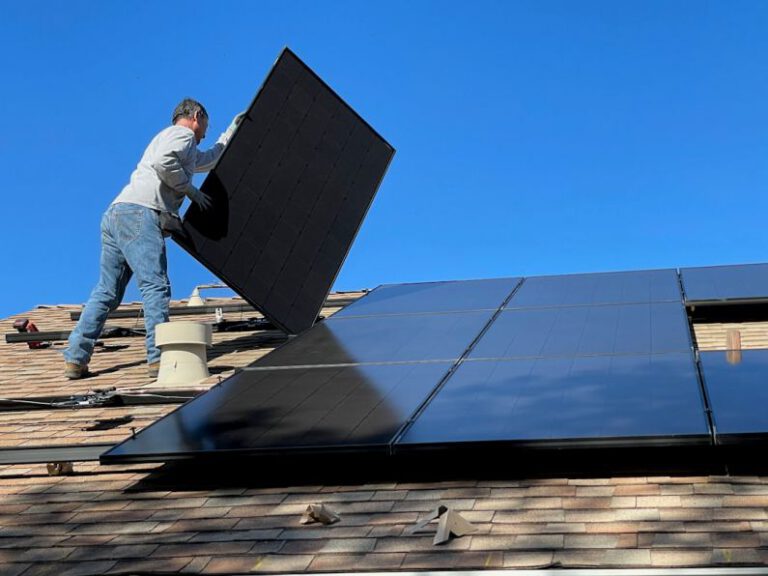
One of the key features of green buildings is their focus on energy efficiency. Traditional buildings are often energy-intensive, relying heavily on fossil fuels for heating, cooling, and electricity. In contrast, green buildings are designed to minimize energy consumption through improved insulation, efficient lighting systems, and renewable energy sources such as solar panels. By reducing energy demand, green buildings help lower greenhouse gas emissions and combat climate change.
### Sustainable Materials and Construction Practices
Green buildings prioritize the use of sustainable materials and construction practices. This includes utilizing recycled or renewable materials, minimizing waste during construction, and incorporating environmentally friendly building techniques. By choosing eco-friendly materials and construction methods, green buildings reduce the environmental impact associated with traditional construction processes. This emphasis on sustainability helps protect natural resources and reduce carbon emissions.
### Indoor Environmental Quality
In addition to their focus on energy efficiency and sustainable materials, green buildings also prioritize indoor environmental quality. Poor indoor air quality can have adverse effects on occupants’ health and well-being. Green buildings address this issue by incorporating features such as natural ventilation, non-toxic materials, and efficient HVAC systems. By creating healthier indoor environments, green buildings promote occupant comfort and productivity.
### Benefits of Green Buildings in Combating Climate Change
The adoption of green building practices offers a range of benefits in the fight against climate change. By reducing energy consumption and greenhouse gas emissions, green buildings help mitigate the environmental impact of the built environment. Energy-efficient buildings require less energy to operate, leading to lower utility bills for occupants and reduced strain on the power grid. Additionally, green buildings contribute to a healthier environment by conserving resources, reducing waste, and improving indoor air quality.
### The Role of Green Buildings in Sustainable Development
Green buildings play a crucial role in advancing sustainable development goals. As the world population continues to grow, the demand for buildings and infrastructure is on the rise. By promoting energy efficiency, resource conservation, and environmental responsibility, green buildings offer a sustainable solution to meet this growing demand. Sustainable buildings contribute to the creation of resilient and livable communities, supporting long-term environmental and economic sustainability.
### Conclusion: Green Buildings as a Climate Change Solution
In conclusion, green buildings have the potential to significantly impact climate change mitigation efforts. By prioritizing energy efficiency, sustainable materials, and indoor environmental quality, green buildings offer a holistic approach to reducing the environmental footprint of the construction industry. As the world strives to transition to a more sustainable future, the adoption of green building practices will be essential in combating climate change and creating a healthier planet for future generations.