What’s the Cost of Building Green?
In today’s world, where sustainability and environmental consciousness are at the forefront of many industries, the concept of green building has gained significant traction. Green building refers to the practice of creating structures that are environmentally responsible and resource-efficient throughout their lifecycle. While the benefits of green buildings are well-documented, one question that frequently arises is: What’s the cost of building green?
Understanding the Initial Investment
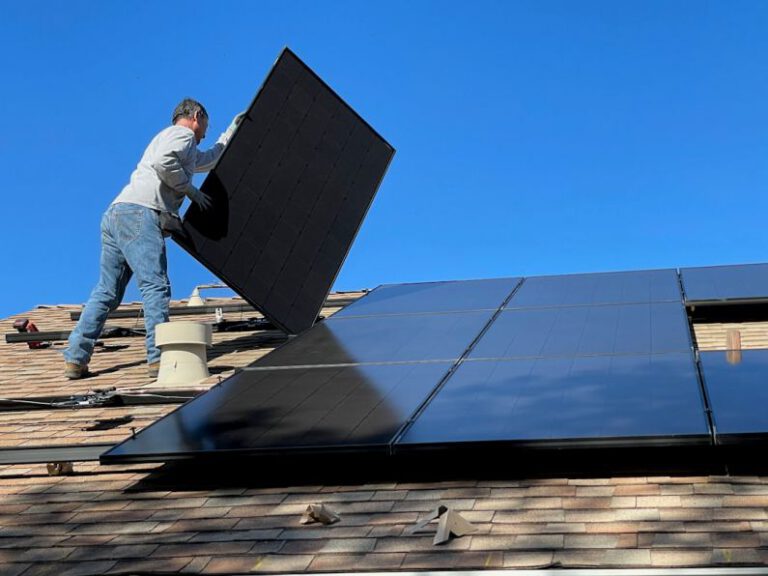
When embarking on a green building project, one of the first considerations for stakeholders is the initial cost. Green building materials, technologies, and design strategies often come at a premium compared to traditional counterparts. For instance, energy-efficient windows, solar panels, and sustainable insulation materials may have higher upfront costs. Additionally, incorporating green building practices such as water-saving fixtures and efficient HVAC systems can also add to the initial investment.
Despite the higher upfront costs, it is essential to recognize that green buildings offer long-term financial benefits. Energy-efficient features can lead to substantial savings on utility bills over time, offsetting the initial investment. Moreover, green buildings tend to have higher property values and lower operating costs, making them a financially sound choice in the long run.
Considering the Lifecycle Costs
Green building takes a holistic approach by considering the entire lifecycle of a structure, including construction, operation, maintenance, and eventual demolition or renovation. When evaluating the cost of building green, it is crucial to look beyond the initial investment and consider the lifecycle costs associated with the project.
Green buildings are designed to be energy-efficient and environmentally friendly, resulting in lower ongoing operational costs. By using sustainable materials and technologies, green buildings require less energy to operate and maintain, leading to reduced expenses over time. Additionally, green buildings often have longer lifespans and lower maintenance requirements, further contributing to cost savings throughout their lifecycle.
Incorporating Life Cycle Assessment
To accurately assess the cost of building green, stakeholders can utilize life cycle assessment (LCA) methodologies. LCA is a comprehensive approach that evaluates the environmental impacts and costs associated with a building project from cradle to grave. By considering factors such as material sourcing, construction, operation, and disposal, LCA provides a holistic view of the costs and benefits of green building.
LCA allows stakeholders to make informed decisions about design choices, material selection, and construction practices to optimize sustainability and cost-effectiveness. By analyzing the environmental and financial implications of different building strategies, LCA helps identify opportunities to minimize costs while maximizing environmental performance.
Investing in Resilience and Long-Term Value
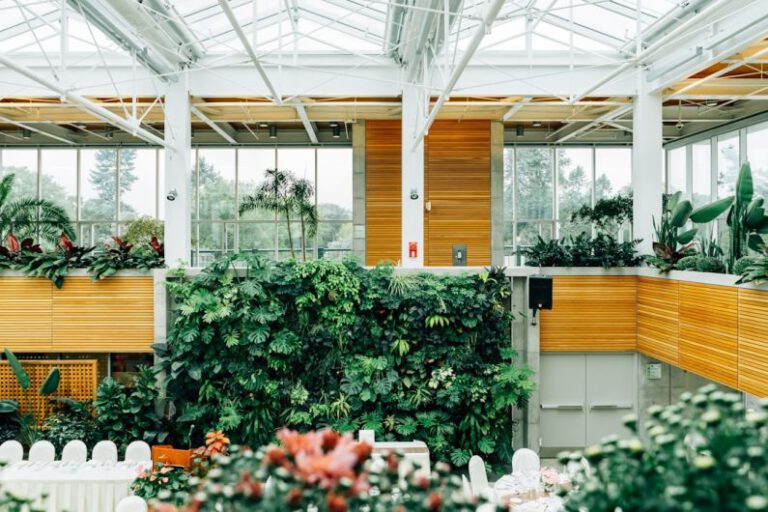
Beyond the financial considerations, building green offers intangible benefits that contribute to long-term value and resilience. Green buildings are designed to enhance occupant health and well-being by providing better indoor air quality, natural light, and thermal comfort. These factors can improve productivity, reduce absenteeism, and enhance overall satisfaction among occupants.
Additionally, green buildings play a crucial role in mitigating climate change and reducing environmental impact. By incorporating sustainable practices such as energy efficiency, water conservation, and waste reduction, green buildings help reduce greenhouse gas emissions and resource depletion. Investing in green building not only benefits individual projects but also contributes to a more sustainable and resilient built environment for future generations.
Embracing the Future of Building
As the demand for sustainable and environmentally responsible construction practices continues to grow, the cost of building green is becoming increasingly competitive. With advancements in technology, materials, and design strategies, green building is becoming more affordable and accessible to a broader range of projects. By considering the initial investment, lifecycle costs, and long-term value of green buildings, stakeholders can make informed decisions that benefit both the environment and the bottom line.
Building green is not just a trend; it is a fundamental shift towards a more sustainable and resilient built environment. By embracing the principles of green building and investing in environmentally responsible practices, stakeholders can create structures that are not only cost-effective but also contribute to a healthier, more sustainable future for all.