What’s the Future of Public Transport in Smart Cities?
As cities around the world continue to grow and face increasing challenges related to congestion, pollution, and accessibility, the future of public transport in smart cities is a topic of great interest and importance. With advancements in technology and urban planning, public transportation systems are evolving to become more efficient, sustainable, and user-friendly. In this article, we will explore the key trends and innovations shaping the future of public transport in smart cities.
**Integration of Multiple Modes of Transport**
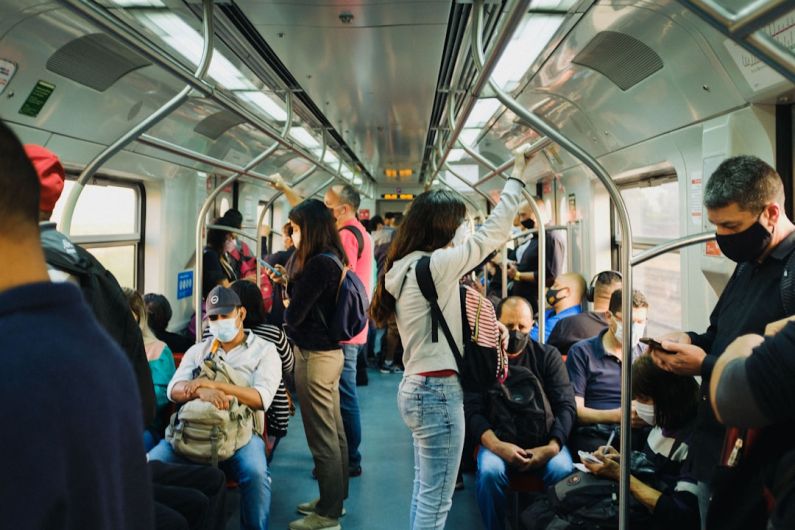
One of the emerging trends in smart cities is the integration of multiple modes of transport to create a seamless and efficient transportation network. This includes traditional modes of transport such as buses and trains, as well as newer options like bike-sharing schemes and ride-hailing services. By connecting these different modes of transport through digital platforms and smart infrastructure, cities can provide commuters with more options for getting around while reducing congestion and emissions.
**Embracing Sustainable Technologies**
As concerns about climate change and air quality continue to grow, smart cities are increasingly turning to sustainable technologies to power their public transport systems. Electric buses, trams, and trains are becoming more common, offering a cleaner and quieter alternative to traditional diesel-powered vehicles. In addition, cities are exploring renewable energy sources such as solar and wind power to fuel their transportation networks, further reducing their environmental impact.
**Data-Driven Decision Making**
The rise of big data and analytics is revolutionizing how cities plan and operate their public transport systems. By collecting and analyzing data on passenger flows, traffic patterns, and service performance, city authorities can make more informed decisions about where to allocate resources and how to improve the overall efficiency of their transport networks. Real-time data also allows for better monitoring of services and the ability to respond quickly to disruptions or changing demand.
**Personalized and On-Demand Services**
In the era of smart cities, public transport systems are increasingly offering personalized and on-demand services to meet the diverse needs of commuters. This includes features such as mobile ticketing, real-time journey planning, and dynamic routing based on passenger demand. By tailoring services to individual preferences and making them more responsive to changing conditions, cities can improve the overall user experience and encourage more people to choose public transport over private cars.
**Infrastructure Upgrades and Connectivity**
Investments in infrastructure upgrades and connectivity are essential for the future of public transport in smart cities. This includes expanding and modernizing existing public transport networks, building dedicated bus lanes and bike lanes, and improving the integration of different modes of transport. In addition, cities are investing in smart technologies such as sensors and communication systems to optimize traffic flow, reduce congestion, and enhance the overall efficiency of their transportation systems.
**Empowering Inclusivity and Accessibility**
Ensuring inclusivity and accessibility for all members of the community is a key priority for smart cities when designing public transport systems. This includes making services more accessible to people with disabilities, providing information in multiple languages, and offering affordable fare options for low-income residents. By prioritizing inclusivity and accessibility, cities can create a more equitable and sustainable transportation system that benefits everyone.
**Looking Ahead: The Evolution Continues**
As smart cities continue to evolve and embrace new technologies, the future of public transport holds great promise for improving the way people move around urban areas. By integrating multiple modes of transport, embracing sustainable technologies, leveraging data-driven decision making, and prioritizing inclusivity and accessibility, cities can create a more efficient, user-friendly, and environmentally friendly transportation system for all residents. The journey towards smarter and more sustainable public transport is ongoing, but the possibilities for innovation and improvement are endless.