How Do Thermal Insulating Materials Contribute to Energy Conservation?
Energy conservation is a pressing global concern, with a growing emphasis on reducing energy consumption and promoting sustainability. One crucial aspect of energy conservation is the use of thermal insulating materials in buildings and infrastructures. These materials play a significant role in improving energy efficiency and reducing heat loss, ultimately contributing to lower energy consumption and greenhouse gas emissions. In this article, we will explore the importance of thermal insulating materials and how they contribute to energy conservation.
### Understanding Thermal Insulating Materials
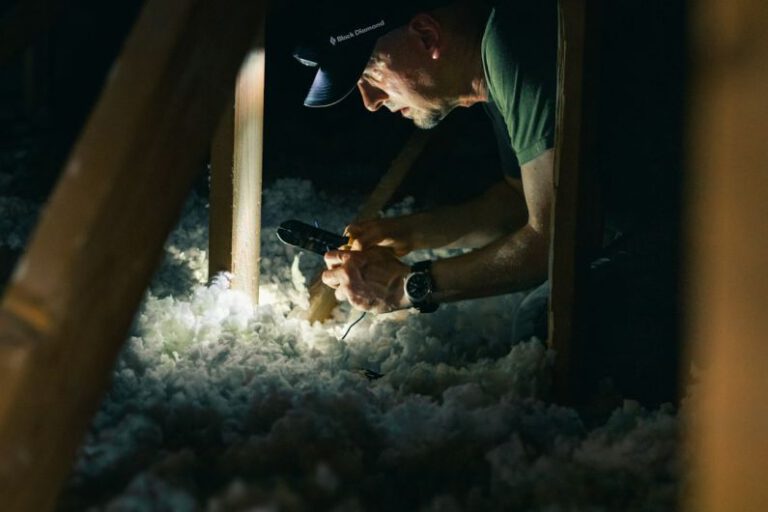
Thermal insulating materials are designed to reduce the transfer of heat between spaces. By creating a barrier against heat flow, these materials help maintain a consistent indoor temperature, regardless of external weather conditions. Common types of thermal insulating materials include fiberglass, foam board, cellulose, and mineral wool. These materials are chosen based on their thermal resistance properties, known as the R-value, which measures the material’s ability to resist heat transfer.
### Energy Efficiency in Buildings
Buildings are significant consumers of energy, with heating and cooling systems accounting for a large portion of energy usage. By incorporating thermal insulating materials in the construction of buildings, energy efficiency can be greatly improved. Insulation helps to reduce heat loss during the winter months and prevent heat gain during the summer, resulting in lower energy bills and reduced reliance on heating and cooling systems.
### Reduced Heating and Cooling Costs
One of the primary benefits of thermal insulating materials is the significant cost savings associated with reduced heating and cooling requirements. Proper insulation in walls, roofs, and floors can lead to lower energy consumption, as the indoor temperature remains stable without the need for constant adjustment by heating or cooling systems. This not only translates to lower utility bills for building owners but also reduces the overall demand for energy resources.
### Minimizing Environmental Impact
Energy conservation is closely linked to environmental sustainability, as reducing energy consumption helps lower greenhouse gas emissions and combat climate change. Thermal insulating materials play a crucial role in minimizing the environmental impact of buildings by decreasing the energy needed for heating and cooling. By improving the energy efficiency of structures, thermal insulation contributes to a more sustainable built environment and helps create a greener future.
### Enhanced Comfort and Health
In addition to energy savings, thermal insulating materials also contribute to improved comfort and health for building occupants. Proper insulation helps maintain a consistent indoor temperature, creating a more comfortable living or working environment. By minimizing temperature fluctuations and drafts, insulation can also reduce the risk of moisture buildup and mold growth, improving indoor air quality and overall health.
### Long-Term Durability and Performance
Thermal insulating materials not only offer immediate energy-saving benefits but also contribute to the long-term durability and performance of buildings. Proper insulation helps protect the building structure from temperature fluctuations, moisture, and other environmental factors, extending the lifespan of the building and reducing maintenance costs over time. By investing in quality insulation, building owners can ensure the sustainability and efficiency of their structures for years to come.
### Sustainable Building Practices
Incorporating thermal insulating materials into building design is a key aspect of sustainable construction practices. By prioritizing energy efficiency and reducing energy consumption, architects and builders can create environmentally friendly structures that have a lower impact on the planet. Sustainable building practices, including the use of thermal insulation, are essential for addressing the challenges of climate change and promoting a more sustainable future.
### Conclusion: Promoting Energy Conservation Through Thermal Insulation
In conclusion, thermal insulating materials play a crucial role in promoting energy conservation and sustainability in the built environment. By reducing heat loss, lowering energy consumption, and improving building efficiency, insulation materials contribute to cost savings, environmental protection, and enhanced comfort for occupants. As the world continues to focus on energy conservation and reducing carbon emissions, the use of thermal insulating materials will remain a fundamental strategy for creating energy-efficient and sustainable buildings. By prioritizing insulation in construction practices, we can work towards a more energy-efficient and environmentally responsible future.