How Can Reflective Materials Help in Building Design?
Reflective materials have become an increasingly popular choice in modern building design due to their unique ability to enhance aesthetics, energy efficiency, and overall sustainability. These materials play a crucial role in shaping the appearance and performance of structures, making them a valuable asset for architects and designers looking to create innovative and environmentally friendly buildings. From glass facades to metal cladding, reflective materials offer a wide range of benefits that can significantly impact the design and functionality of a building.
Enhancing Visual Appeal
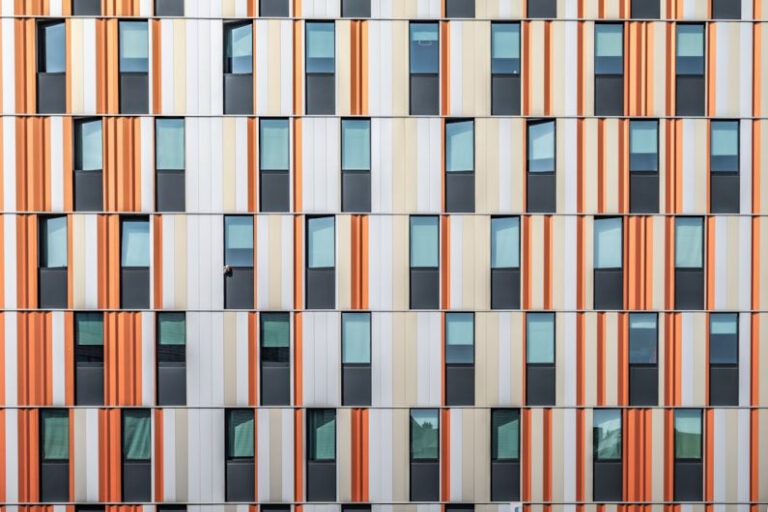
One of the primary reasons why reflective materials are favored in building design is their ability to enhance the visual appeal of a structure. These materials can create a striking visual impact by reflecting light and creating dynamic patterns and effects. Glass, for example, is a popular choice for facades because of its reflective properties, which can help buildings stand out and make a bold architectural statement. By using reflective materials strategically, designers can play with light and shadow to create visually interesting and engaging spaces that capture the attention of passersby.
Maximizing Natural Light
Another key advantage of using reflective materials in building design is their ability to maximize natural light. By incorporating materials that reflect light into a building’s design, architects can reduce the need for artificial lighting and create bright, inviting spaces that promote occupant well-being. Glass, in particular, is known for its ability to let in natural light while also reflecting it, making it an ideal choice for creating bright and airy interiors. Maximizing natural light not only reduces energy consumption but also creates a more comfortable and enjoyable environment for building occupants.
Improving Energy Efficiency
Reflective materials can also play a significant role in improving the energy efficiency of a building. By reflecting heat away from a structure, these materials can help reduce the amount of energy needed for cooling, especially in hot climates. Metal cladding, for example, can help regulate the temperature of a building by reflecting sunlight and reducing heat gain, thereby lowering the demand for air conditioning. By incorporating reflective materials into the design of a building, architects can create more sustainable and energy-efficient structures that contribute to a greener built environment.
Enhancing Sustainability
In addition to improving energy efficiency, reflective materials can also enhance the overall sustainability of a building. By reducing the reliance on artificial lighting and heating, these materials can help lower energy consumption and decrease the carbon footprint of a structure. Reflective materials can also contribute to passive design strategies by optimizing natural light and ventilation, further reducing the building’s environmental impact. By prioritizing the use of reflective materials in building design, architects can create sustainable structures that prioritize both environmental and human well-being.
Creating a Modern Aesthetic
Reflective materials are often associated with modern and contemporary architecture, making them a popular choice for designers looking to create sleek and stylish buildings. The reflective surfaces of materials like glass and metal can give a building a futuristic and sophisticated appearance, adding a touch of elegance and luxury to its design. Whether used as cladding, roofing, or glazing, reflective materials can help create a cohesive and visually appealing aesthetic that aligns with the desired architectural style.
Incorporating Reflective Materials in Building Design
When incorporating reflective materials into a building design, architects and designers must consider factors such as the building’s orientation, climate, and surrounding environment. By strategically placing reflective materials to maximize natural light and minimize heat gain, designers can create buildings that are not only visually stunning but also energy-efficient and sustainable. From enhancing visual appeal to improving energy efficiency, reflective materials offer a wide range of benefits that can elevate the design and functionality of modern structures. By embracing the versatility and potential of reflective materials, architects can create buildings that are not only aesthetically pleasing but also environmentally responsible and forward-thinking.