Can Robots Solve the Skilled Labor Shortage?
The ongoing skilled labor shortage is a pressing issue affecting industries worldwide. Companies are struggling to find qualified workers to fill specialized roles, which ultimately hinders productivity and growth. In recent years, there has been a growing interest in using robots to address this problem. Can robots truly solve the skilled labor shortage? Let’s delve into this topic and explore the potential implications of integrating robots into the workforce.
Advantages of Robots in Skilled Labor
Robots offer several advantages when it comes to filling the gaps in skilled labor. One of the key benefits is their ability to perform repetitive tasks with precision and consistency. Unlike human workers, robots do not experience fatigue or make errors due to monotony. This means that they can work around the clock without compromising quality, leading to increased efficiency in production processes.
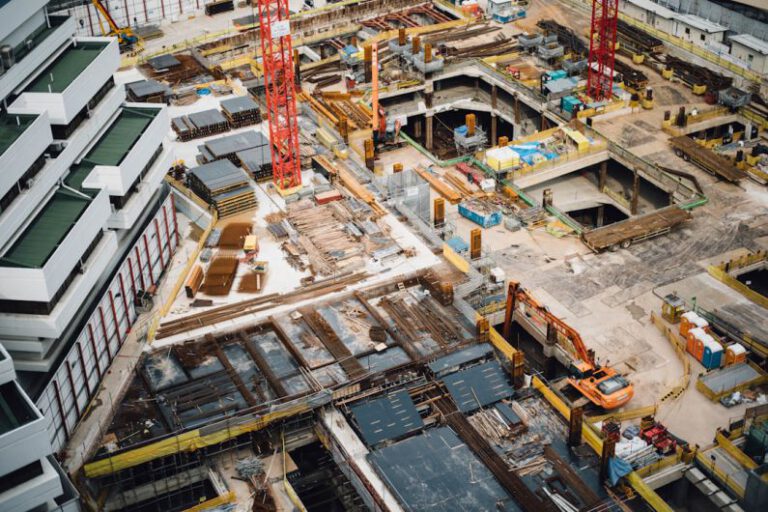
Additionally, robots can handle tasks that may be too dangerous or physically demanding for human workers. In industries such as manufacturing and construction, robots can be used to perform tasks in hazardous environments without putting human lives at risk. This not only improves workplace safety but also allows companies to take on projects that may have been deemed too risky in the past.
Another advantage of using robots in skilled labor is the potential for cost savings. While the initial investment in robotics technology can be significant, the long-term savings in labor costs and increased productivity can outweigh the upfront expenses. By automating certain tasks, companies can reduce their reliance on expensive skilled workers and reallocate resources to other areas of their business.
Challenges and Limitations
Despite the benefits of integrating robots into the workforce, there are also challenges and limitations that need to be considered. One of the main concerns is the potential displacement of human workers. As robots become more advanced and capable of performing complex tasks, there is a risk that they may replace human workers, leading to job losses in certain industries.
Furthermore, the initial costs associated with implementing robotics technology can be a barrier for many companies, especially small and medium-sized enterprises. The high upfront investment and the need for specialized training to operate and maintain robots can be prohibitive for some businesses, making it difficult for them to adopt this technology.
Another challenge is the lack of flexibility that robots may have compared to human workers. While robots excel at performing repetitive tasks, they may struggle with tasks that require creativity, problem-solving, or adaptability. This limitation may hinder their ability to fully replace skilled human workers in certain roles that involve complex decision-making or interpersonal skills.
The Future of Robotics in Skilled Labor
Despite the challenges and limitations, the use of robots in skilled labor is likely to continue to grow in the coming years. As technology advances and robots become more sophisticated, they will be able to take on a wider range of tasks and roles in various industries. Companies that embrace robotics technology early on may gain a competitive edge by increasing efficiency, reducing costs, and improving overall productivity.
However, it is important for companies to approach the integration of robots into their workforce thoughtfully and strategically. They must consider the potential impact on their existing employees, provide training and support for workers who may be affected by automation, and ensure that the benefits of using robots outweigh the costs and risks involved.
In conclusion, while robots have the potential to help alleviate the skilled labor shortage by performing tasks that require specialized skills and precision, they are not a one-size-fits-all solution. Companies must carefully assess their specific needs and capabilities before investing in robotics technology to ensure that it aligns with their long-term goals and objectives. By leveraging the advantages of robots while addressing the challenges and limitations, companies can harness the power of automation to optimize their workforce and drive success in the digital age.