What’s the Role of Public Parks in Urban Infrastructure?
Public parks are often seen as recreational areas, places where families gather for picnics, children play on playgrounds, and individuals go for a leisurely stroll. However, the role of public parks in urban infrastructure goes far beyond providing a space for relaxation and enjoyment. These green spaces play a crucial role in shaping the urban environment, promoting community well-being, and enhancing the overall quality of life for city residents.
**Preservation of Green Spaces**
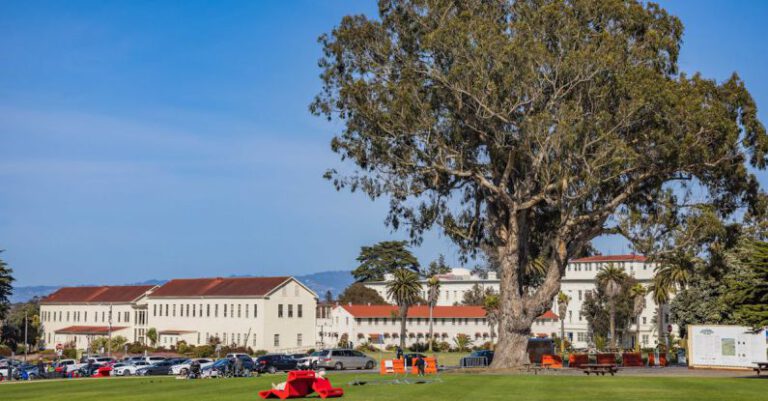
In the midst of concrete jungles and towering buildings, public parks serve as oases of greenery and natural landscapes. They provide a much-needed respite from the hustle and bustle of urban life, offering a place where people can connect with nature and enjoy a sense of tranquility. By preserving green spaces within cities, public parks help to mitigate the effects of urbanization, such as air and noise pollution, and provide vital habitats for wildlife.
**Promotion of Physical and Mental Health**
One of the key benefits of public parks is their ability to promote physical activity and overall well-being. These spaces offer opportunities for people to engage in a variety of recreational activities, from jogging and cycling to yoga and outdoor sports. Regular physical activity has been linked to numerous health benefits, including reduced risk of chronic diseases and improved mental health. Public parks play a crucial role in encouraging city dwellers to lead active lifestyles and prioritize their health.
**Social Cohesion and Community Engagement**
Public parks serve as gathering places where people from diverse backgrounds can come together and interact. These spaces foster a sense of community and social cohesion by providing a shared environment for individuals to connect with one another. Whether through organized events, community gardening initiatives, or spontaneous gatherings, public parks facilitate social interactions and help to build strong, resilient communities. By promoting a sense of belonging and inclusivity, these green spaces contribute to the overall social fabric of urban areas.
**Environmental Sustainability**
In an era of increasing environmental awareness, public parks play a vital role in promoting sustainability within urban areas. These green spaces help to reduce the urban heat island effect by providing shade and cooling effects, thereby improving the overall microclimate of cities. Additionally, public parks contribute to the mitigation of climate change by sequestering carbon dioxide and enhancing biodiversity. By integrating green infrastructure into urban planning, cities can create more sustainable and resilient environments for future generations.
**Economic Benefits and Property Value**
Public parks have a positive impact on the economic vitality of urban areas. These green spaces attract tourists, stimulate local businesses, and enhance property values in surrounding neighborhoods. Studies have shown that proximity to parks and green spaces is associated with higher property values and increased economic development. By investing in public parks, cities can boost their attractiveness as desirable places to live, work, and visit, ultimately contributing to the economic prosperity of the region.
**Enhancing Urban Aesthetics**
Beyond their functional benefits, public parks play a crucial role in enhancing the aesthetic appeal of cities. These green spaces provide visual relief from the monotony of built environments, adding texture, color, and natural beauty to urban landscapes. By creating visually appealing and well-designed parks, cities can improve the overall aesthetic quality of their surroundings and create a sense of place that residents can be proud of.
**Incorporating Public Parks into Urban Planning**
Incorporating public parks into urban planning is essential for creating sustainable, livable cities. City planners and policymakers must prioritize the preservation and expansion of green spaces within urban areas to ensure the well-being of residents and the long-term sustainability of cities. By recognizing the multifaceted role of public parks in urban infrastructure, cities can harness the power of these green spaces to create healthier, more vibrant, and more resilient communities for all.