How Can Urban Infrastructure Adapt to Climate Change?
As climate change continues to impact our planet, urban areas are increasingly facing the brunt of its effects. From rising sea levels to extreme weather events, cities around the world are grappling with the need to adapt their infrastructure to mitigate the risks posed by these changes. In this article, we will explore the challenges that urban infrastructure faces in the face of climate change and discuss potential strategies to help cities adapt and thrive in a rapidly changing environment.
**The Challenge of Climate Change on Urban Infrastructure**
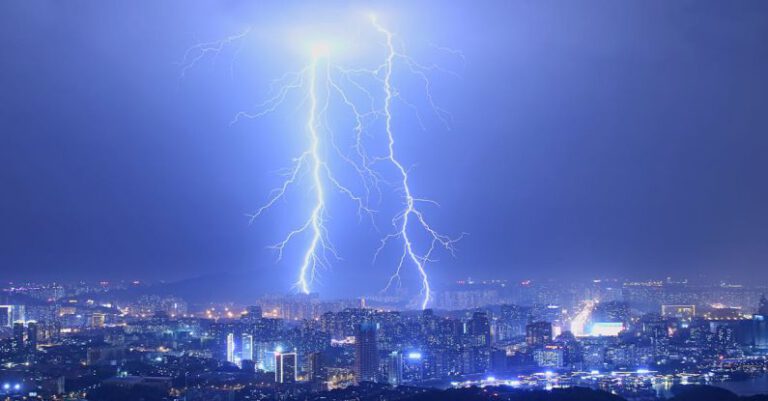
Urban infrastructure plays a crucial role in supporting the functioning of cities, encompassing a wide range of systems such as transportation networks, water supply, energy distribution, and waste management. However, as climate change intensifies, these systems are increasingly vulnerable to disruption and damage. Rising temperatures can strain energy grids, leading to blackouts and power outages, while more frequent and severe storms can overwhelm drainage systems, causing flooding and water contamination.
**Building Resilient Infrastructure**
To address these challenges, cities must invest in building more resilient infrastructure that can withstand the impacts of climate change. This includes upgrading existing systems to be more robust and adaptable, as well as incorporating new technologies and design principles that prioritize sustainability and climate resilience. For example, green infrastructure solutions such as green roofs, permeable pavements, and rain gardens can help cities manage stormwater runoff and reduce the risk of flooding.
**Promoting Sustainable Transportation**
One key aspect of adapting urban infrastructure to climate change is promoting sustainable transportation options. As cities continue to grow, the demand for transportation services is also increasing, leading to higher emissions of greenhouse gases and worsening air quality. By investing in public transportation, cycling infrastructure, and pedestrian-friendly urban design, cities can reduce their reliance on fossil fuels and promote healthier, more sustainable modes of transportation.
**Managing Water Resources**
Water scarcity and quality are major concerns for many urban areas, exacerbated by the impacts of climate change such as droughts and floods. To ensure a reliable supply of clean water, cities must invest in water conservation measures, such as rainwater harvesting and water recycling systems. Additionally, improving the efficiency of water distribution networks and investing in natural infrastructure, such as wetlands and green spaces, can help cities manage water resources more effectively.
**Harnessing Renewable Energy**
Transitioning to renewable energy sources is a crucial step in reducing cities’ carbon footprint and mitigating the impacts of climate change. Solar panels, wind turbines, and other forms of clean energy can help cities reduce their reliance on fossil fuels and lower greenhouse gas emissions. By investing in renewable energy infrastructure and promoting energy efficiency measures, cities can not only combat climate change but also save money in the long run.
**Empowering Communities**
Adapting urban infrastructure to climate change requires a collaborative effort involving government agencies, businesses, and local communities. Engaging citizens in the planning and implementation of climate-resilient infrastructure projects can help build community resilience and ensure that infrastructure solutions meet the needs of those most affected by climate change. By empowering communities to participate in decision-making processes, cities can foster a sense of ownership and stewardship over their infrastructure, leading to more sustainable and resilient urban environments.
**Innovating for the Future**
As the impacts of climate change become more pronounced, cities must continue to innovate and adapt their infrastructure to meet the challenges of a rapidly changing climate. By investing in smart technologies, data analytics, and innovative design solutions, cities can build infrastructure that is not only resilient to climate change but also sustainable, efficient, and adaptable to future uncertainties. Embracing innovation and embracing a forward-thinking approach to urban infrastructure will be key to ensuring the long-term sustainability and resilience of cities in the face of climate change.
**In Summary**
Adapting urban infrastructure to climate change is a complex and multifaceted challenge that requires a holistic approach encompassing planning, design, technology, and community engagement. By investing in resilient infrastructure, promoting sustainable transportation, managing water resources, harnessing renewable energy, empowering communities, and fostering innovation, cities can build a more sustainable and climate-resilient future for all. As we continue to confront the impacts of climate change, it is crucial that cities take proactive steps to adapt their infrastructure and ensure the well-being and prosperity of their residents for generations to come.