Are Smart Cities More Sustainable?
In the quest for more sustainable urban development, the concept of smart cities has gained significant traction in recent years. By integrating advanced technologies and data-driven solutions, smart cities aim to enhance efficiency, improve quality of life, and reduce environmental impact. However, the question remains: Are smart cities truly more sustainable? Let’s delve into the key aspects of this debate to understand the potential benefits and challenges associated with this innovative approach to urban planning.
### Defining Smart Cities
Smart cities leverage cutting-edge technologies such as Internet of Things (IoT), artificial intelligence, and big data analytics to optimize various urban systems, including transportation, energy, waste management, and public services. These technologies enable real-time monitoring, data collection, and analysis to make informed decisions for improving resource allocation and infrastructure management.
### Environmental Impact
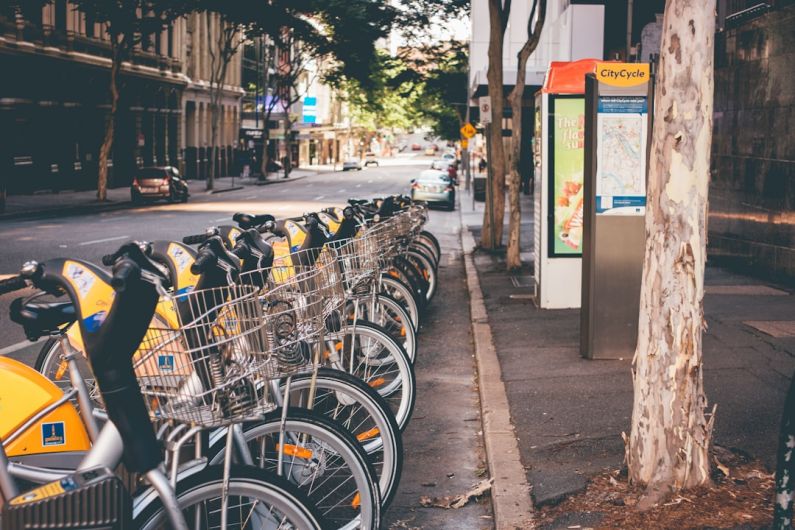
One of the primary goals of smart cities is to reduce carbon emissions and minimize environmental footprint through intelligent solutions. By implementing smart transportation systems, such as electric vehicles, traffic flow optimization, and bike-sharing programs, cities can curb air pollution and promote sustainable mobility options. Additionally, smart energy grids and efficient building management systems contribute to energy conservation and lower greenhouse gas emissions.
### Resource Efficiency
Smart cities emphasize resource efficiency by employing smart water management systems, waste recycling programs, and energy-efficient technologies. By monitoring water consumption, detecting leaks, and optimizing irrigation systems, cities can conserve water resources and promote sustainable practices. Furthermore, smart waste management solutions, such as sensors in trash bins and automated collection systems, enhance waste diversion efforts and reduce landfill waste.
### Citizen Engagement and Quality of Life
Another key aspect of smart cities is the focus on citizen engagement and enhancing the overall quality of life for residents. Through digital platforms, mobile applications, and community feedback mechanisms, cities can involve citizens in decision-making processes, gather real-time feedback, and address urban challenges effectively. Smart cities also offer improved public services, such as smart healthcare systems, education platforms, and public safety initiatives, to enhance the well-being of residents.
### Challenges and Considerations
While the concept of smart cities holds great promise for sustainability, several challenges and considerations must be addressed to fully realize its potential. Data privacy and security concerns, digital divide issues, and the high costs associated with implementing smart technologies are significant hurdles that cities must navigate. Additionally, ensuring inclusivity, accessibility, and equitable distribution of benefits across diverse populations is crucial for the long-term success of smart city initiatives.
### The Future of Sustainable Urban Development
As cities continue to grapple with rapid urbanization, population growth, and environmental challenges, the need for innovative solutions like smart cities becomes increasingly urgent. By harnessing the power of technology, data, and collaboration, cities can create more sustainable, resilient, and livable environments for current and future generations. The evolution of smart cities represents a paradigm shift in urban planning that prioritizes sustainability, efficiency, and community well-being.
### In Summary
Smart cities offer a compelling vision for a more sustainable urban future by leveraging technology and data-driven solutions to address pressing environmental, social, and economic challenges. While the path to achieving true sustainability may be fraught with obstacles, the potential benefits of smart cities in enhancing resource efficiency, reducing environmental impact, and improving quality of life are undeniable. As cities around the world continue to embrace the principles of smart urban development, the journey toward a more sustainable and resilient future is well underway.