How Can Adaptive Materials Change the Face of Construction?
As the world of construction continues to evolve and innovate, one of the most exciting advancements on the horizon is the development and implementation of adaptive materials. These cutting-edge materials have the potential to revolutionize the way buildings are designed, constructed, and maintained. From self-healing concrete to shape-shifting facades, adaptive materials offer a glimpse into the future of construction. Let’s explore how these materials are poised to change the face of the industry.
Enhancing Structural Resilience
One of the key benefits of adaptive materials in construction is their ability to enhance structural resilience. Traditional building materials are often susceptible to damage from environmental factors such as moisture, temperature fluctuations, and seismic activity. Adaptive materials, on the other hand, have the capacity to self-repair and adapt to changing conditions. For example, self-healing concrete contains special microorganisms that can mend cracks and prevent water infiltration, increasing the lifespan of structures and reducing maintenance costs. By incorporating adaptive materials into construction projects, builders can create more durable and long-lasting buildings that are better equipped to withstand the challenges of the environment.
Improving Energy Efficiency
Another significant advantage of adaptive materials is their potential to improve energy efficiency in buildings. By using materials that can respond to external stimuli, such as changes in temperature or sunlight exposure, architects and engineers can create structures that optimize energy usage. For instance, smart windows made from electrochromic glass can automatically adjust their transparency based on the amount of sunlight, reducing the need for artificial lighting and heating or cooling systems. This not only lowers energy consumption but also contributes to a more sustainable and environmentally friendly built environment. With the increasing focus on energy conservation and sustainability, the integration of adaptive materials in construction can help meet the growing demand for eco-friendly buildings.
Enhancing Aesthetics and Functionality
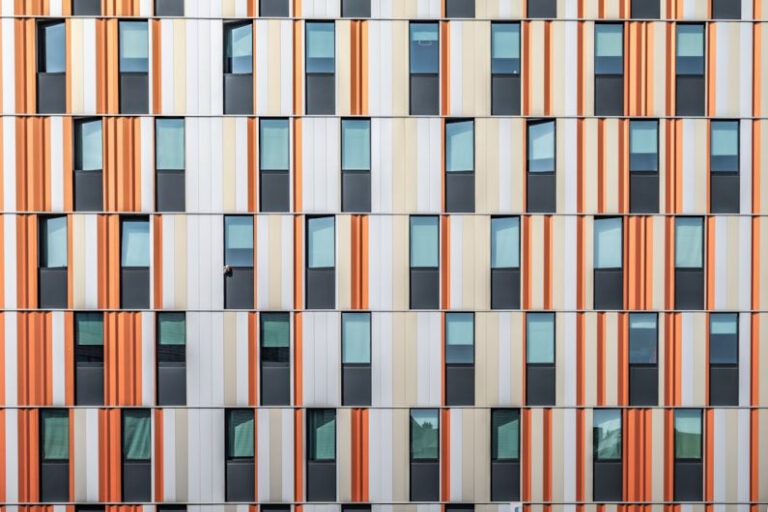
Adaptive materials also offer exciting possibilities for enhancing the aesthetics and functionality of buildings. Shape-memory alloys, for example, have the ability to change shape in response to external stimuli, allowing for dynamic and interactive architectural elements. Imagine a facade that can open and close to regulate natural light and ventilation or a roof that can adjust its slope to shed snow or collect rainwater. These adaptive features not only add visual interest to the design but also improve the overall performance and usability of the building. By combining form and function in innovative ways, adaptive materials enable architects to push the boundaries of traditional construction and create structures that are both beautiful and functional.
Challenges and Opportunities
While the potential benefits of adaptive materials in construction are clear, there are also challenges that need to be addressed. The cost of these materials, for example, may currently be prohibitive for many construction projects, limiting their widespread adoption. Additionally, there may be concerns about the durability and reliability of some adaptive materials over time. However, as research and development in this field continue to advance, these challenges are likely to be overcome, opening up new opportunities for the use of adaptive materials in construction.
Looking Ahead: The Future of Construction
As we look to the future of construction, it is clear that adaptive materials will play a crucial role in shaping the built environment. From enhancing structural resilience and improving energy efficiency to creating dynamic and functional spaces, the potential applications of adaptive materials are vast and exciting. By embracing these innovative materials and exploring their possibilities, architects, engineers, and builders can unlock new opportunities for creativity and sustainability in construction. The integration of adaptive materials represents a new chapter in the evolution of the industry, one that promises to change the face of construction for years to come.