How Can Cities Manage Waste More Efficiently?
Cities around the world are facing a growing challenge when it comes to managing waste efficiently. With rapid urbanization and population growth, the amount of waste generated in urban areas continues to increase at an alarming rate. In order to address this pressing issue and work towards a more sustainable future, cities must implement innovative strategies and technologies to improve waste management practices. This article will explore some key ways in which cities can manage waste more efficiently.
Implementing Comprehensive Recycling Programs
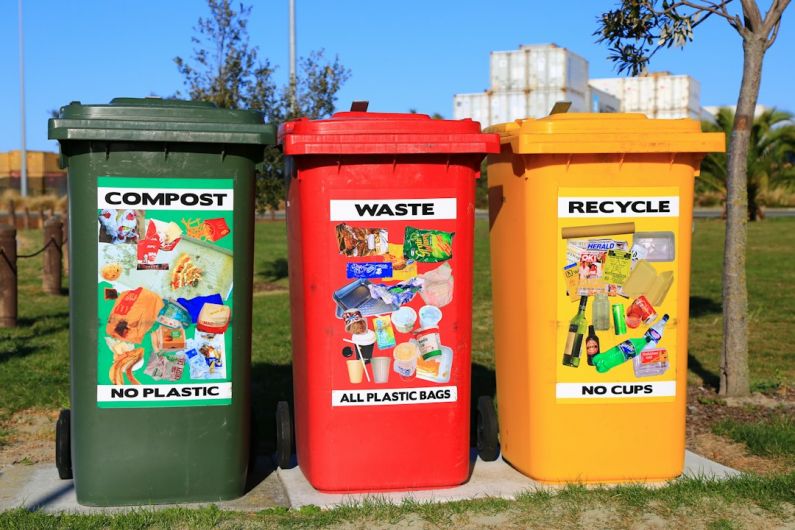
One of the most effective ways for cities to manage waste more efficiently is by implementing comprehensive recycling programs. Recycling helps to reduce the amount of waste that ends up in landfills, conserves natural resources, and reduces greenhouse gas emissions. Cities can encourage recycling by providing convenient recycling facilities, educating residents about the importance of recycling, and implementing policies that support recycling initiatives. By making it easy and convenient for residents to recycle, cities can significantly reduce the amount of waste that is sent to landfills.
Investing in Waste-to-Energy Technologies
Another key strategy for cities to manage waste more efficiently is by investing in waste-to-energy technologies. Waste-to-energy technologies convert waste into energy through processes such as incineration or gasification. By turning waste into energy, cities can reduce the amount of waste that ends up in landfills while also producing renewable energy. This not only helps to mitigate the environmental impact of waste but also contributes to the generation of clean energy. Investing in waste-to-energy technologies can help cities move towards a more sustainable waste management system.
Promoting Composting Initiatives
Composting is another effective waste management strategy that cities can implement to reduce the amount of organic waste sent to landfills. Organic waste, such as food scraps and yard waste, can be composted to create nutrient-rich soil that can be used for gardening and landscaping. Cities can promote composting initiatives by providing residents with composting bins, offering composting education programs, and partnering with local businesses to divert organic waste from landfills. By promoting composting, cities can reduce the environmental impact of organic waste and create valuable resources from what would otherwise be considered waste.
Enforcing Waste Reduction Policies
In addition to promoting recycling, investing in waste-to-energy technologies, and promoting composting initiatives, cities can also enforce waste reduction policies to manage waste more efficiently. Waste reduction policies can include measures such as banning single-use plastics, implementing waste diversion targets, and encouraging businesses to adopt sustainable packaging practices. By enforcing waste reduction policies, cities can reduce the overall amount of waste generated, leading to less strain on waste management systems and fewer resources being used to manage waste.
Collaborating with Stakeholders
Effective waste management requires collaboration between cities, residents, businesses, and other stakeholders. By working together, cities can develop comprehensive waste management strategies that take into account the needs and perspectives of all parties involved. Collaborating with stakeholders can help cities identify innovative solutions, address challenges, and ensure the successful implementation of waste management initiatives. By fostering collaboration, cities can create a more sustainable waste management system that benefits everyone involved.
Creating a Circular Economy
Moving towards a circular economy is essential for cities to manage waste more efficiently. A circular economy aims to minimize waste and maximize the use of resources by keeping materials in use for as long as possible through recycling, reuse, and remanufacturing. Cities can promote a circular economy by implementing policies that support resource recovery, encouraging sustainable production and consumption practices, and fostering a culture of reuse and repair. By transitioning to a circular economy, cities can reduce waste generation, conserve resources, and create a more sustainable and resilient waste management system.
In conclusion, managing waste more efficiently is crucial for cities to create a more sustainable future. By implementing comprehensive recycling programs, investing in waste-to-energy technologies, promoting composting initiatives, enforcing waste reduction policies, collaborating with stakeholders, and creating a circular economy, cities can improve waste management practices and reduce their environmental impact. It is imperative for cities to prioritize sustainable waste management strategies to address the challenges posed by increasing urbanization and population growth. By taking proactive steps to manage waste more efficiently, cities can work towards a cleaner, greener, and more sustainable future for all.