How Can Smart Materials Improve Home Efficiency?
Smart materials are revolutionizing the way we interact with our surroundings, offering innovative solutions to enhance home efficiency. From self-healing concrete to energy-efficient windows, these materials are designed to adapt and respond to environmental conditions, ultimately reducing energy consumption and improving sustainability. In this article, we will explore the various ways in which smart materials can be integrated into homes to optimize efficiency and create more comfortable living spaces.
Enhancing Insulation with Thermochromic Materials
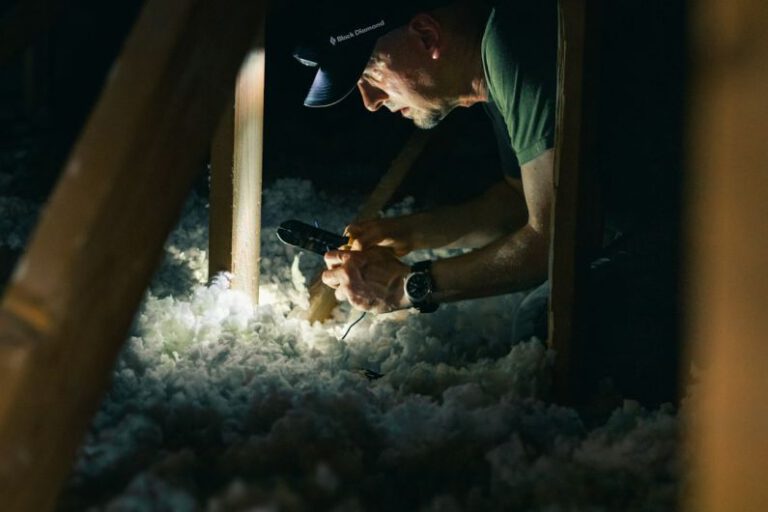
One of the key benefits of smart materials in home design is their ability to enhance insulation properties. Thermochromic materials, for example, are capable of changing color in response to temperature variations. By incorporating these materials into walls or windows, homeowners can visually monitor heat transfer and identify areas where insulation may be lacking. This real-time feedback allows for targeted improvements, resulting in better thermal efficiency and reduced energy costs.
Optimizing Lighting with Photochromic Glass
Photochromic glass is another example of a smart material that can enhance home efficiency. This type of glass darkens in response to sunlight, helping to regulate the amount of natural light entering a space. By controlling glare and heat gain, photochromic glass can reduce the need for artificial lighting and air conditioning, contributing to energy savings and improved comfort. Integrating this material into windows or skylights can create a more sustainable and pleasant indoor environment.
Monitoring Structural Integrity with Self-Healing Materials
Maintaining the structural integrity of a home is essential for long-term durability and safety. Self-healing materials, such as polymers that can repair cracks or damage on their own, offer a proactive solution to structural maintenance. By incorporating these materials into building components like foundations or walls, homeowners can prevent minor issues from escalating into costly repairs. This self-repair mechanism not only improves the longevity of the home but also reduces maintenance efforts and expenses over time.
Increasing Energy Efficiency with Smart Sensors
Smart sensors play a crucial role in optimizing energy usage and improving overall home efficiency. These sensors can monitor environmental conditions, occupancy patterns, and appliance usage to adjust lighting, heating, and cooling systems accordingly. By automating these processes based on real-time data, smart sensors help reduce energy waste and create a more sustainable living environment. Integrating these sensors into smart home systems allows for personalized control and energy savings, contributing to a greener and more efficient home.
Promoting Water Conservation with Hydrochromic Materials
Water conservation is a pressing issue in many regions, making it essential to implement sustainable solutions in home design. Hydrochromic materials, which change color in response to moisture levels, can help detect leaks or water damage early on. By incorporating these materials into plumbing systems or walls, homeowners can identify and address water-related issues promptly, reducing water waste and preventing potential structural damage. This proactive approach to water conservation contributes to a more efficient and environmentally friendly home.
Maximizing Solar Energy with Photovoltaic Materials
Solar energy is a renewable resource that can significantly reduce reliance on traditional power sources. Photovoltaic materials, such as solar panels or solar roof tiles, harness sunlight to generate electricity for home use. By integrating these materials into the building envelope, homeowners can maximize solar energy capture and reduce their dependence on the grid. This renewable energy solution not only lowers utility bills but also contributes to a more sustainable and self-sufficient home.
Incorporating smart materials into home design offers a range of benefits, from improved energy efficiency to enhanced comfort and sustainability. By leveraging the unique properties of these materials, homeowners can create more intelligent and responsive living spaces that adapt to their needs and the environment. Whether it’s enhancing insulation, optimizing lighting, or promoting water conservation, smart materials play a vital role in shaping the homes of the future. Embracing these innovative solutions can lead to a more efficient, cost-effective, and environmentally conscious lifestyle.