Is Sustainable Construction the New Trend?
Sustainable construction is no longer just a buzzword; it has become a driving force in the construction industry. With the increasing awareness of environmental issues and the need to reduce carbon footprints, more and more construction companies are embracing sustainable practices. But is sustainable construction just a passing trend, or is it here to stay?
The Rise of Sustainable Construction
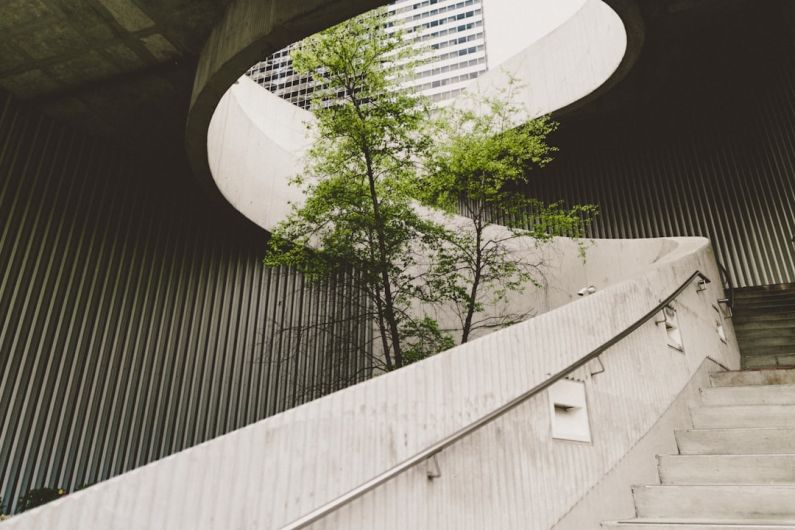
In recent years, sustainable construction has gained momentum as a response to the growing concerns about climate change and resource depletion. This shift in focus has led to the adoption of eco-friendly building materials, energy-efficient designs, and green building certifications. Sustainable construction aims to minimize the environmental impact of building projects while creating healthy and energy-efficient spaces for occupants.
Benefits of Sustainable Construction
One of the key benefits of sustainable construction is its positive impact on the environment. By using renewable materials, reducing energy consumption, and minimizing waste, sustainable buildings help lower carbon emissions and protect natural resources. In addition to environmental benefits, sustainable construction can also lead to cost savings in the long run. Energy-efficient designs can lower utility bills, while using durable materials can reduce maintenance costs over time.
The growing demand for sustainable buildings has also created new opportunities for construction companies. As green building certifications like LEED and BREEAM become more popular, companies that specialize in sustainable construction are finding themselves in high demand. This shift towards sustainability has also influenced consumer preferences, with many homebuyers and tenants now prioritizing eco-friendly features when choosing a property.
Challenges of Sustainable Construction
While the benefits of sustainable construction are clear, there are also challenges that come with adopting eco-friendly practices. One of the main challenges is the higher upfront costs associated with sustainable building materials and technologies. Green materials like solar panels and energy-efficient HVAC systems can be more expensive than traditional alternatives, making it difficult for some companies to justify the initial investment.
Another challenge is the lack of standardized regulations and guidelines for sustainable construction. With different regions having varying requirements for green building practices, construction companies may face compliance issues when working on projects in different locations. Additionally, there is a need for greater education and training in sustainable construction practices to ensure that industry professionals have the necessary skills to implement green building strategies effectively.
The Future of Sustainable Construction
Despite the challenges, the future of sustainable construction looks promising. As more countries commit to reducing carbon emissions and achieving net-zero goals, the demand for sustainable buildings is expected to continue growing. Governments around the world are introducing incentives and regulations to promote green building practices, encouraging construction companies to adopt sustainable strategies.
Innovations in green building technologies are also driving the advancement of sustainable construction. From smart building systems that optimize energy usage to recycled materials that reduce waste, the industry is constantly evolving to meet the demands of a more environmentally conscious world. As sustainability becomes a key consideration in construction projects, companies that embrace green practices are likely to gain a competitive edge in the market.
A Shift Towards a Greener Future
In conclusion, sustainable construction is not just a passing trend; it is a fundamental shift towards a greener and more sustainable future. As the construction industry continues to evolve, embracing eco-friendly practices will be essential to meeting the challenges of climate change and resource scarcity. By prioritizing sustainability in building projects, construction companies can contribute to a more resilient and environmentally conscious built environment for future generations.