What Are the Benefits of Using Recycled Materials in Construction?
Construction projects have a significant impact on the environment, from the depletion of natural resources to the generation of construction waste. In recent years, the construction industry has been increasingly turning to recycled materials as a more sustainable alternative to traditional construction materials. The use of recycled materials in construction offers a wide range of benefits that not only help reduce the environmental impact of construction projects but also contribute to cost savings and improved durability. Let’s explore the various advantages of incorporating recycled materials into construction projects.
### Environmental Benefits
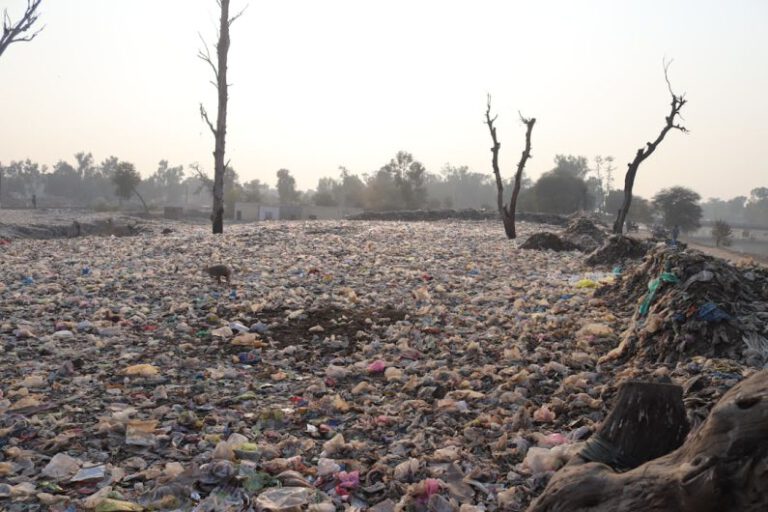
Using recycled materials in construction helps to reduce the demand for raw materials, which in turn helps to conserve natural resources. By reusing materials such as recycled concrete, steel, and glass, the construction industry can significantly decrease the amount of waste sent to landfills. This not only minimizes the environmental impact of construction activities but also helps to mitigate the depletion of finite resources.
### Energy Efficiency
The production of traditional construction materials requires a significant amount of energy, contributing to greenhouse gas emissions and environmental degradation. In contrast, using recycled materials in construction typically requires less energy, as the materials have already been processed once. This energy efficiency not only helps to reduce the carbon footprint of construction projects but also results in cost savings for builders and developers.
### Cost Savings
Incorporating recycled materials into construction projects can lead to substantial cost savings for builders and developers. Recycled materials are often more affordable than newly manufactured materials, making them an attractive option for construction projects with budget constraints. Additionally, using recycled materials can help builders save on disposal costs for construction waste, further reducing the overall project expenses.
### Improved Durability
Recycled materials are not only cost-effective but also offer enhanced durability compared to traditional construction materials. For example, recycled concrete aggregates have been found to have similar or even superior performance characteristics to virgin aggregates, making them a sustainable and durable choice for construction projects. Incorporating recycled materials into construction can help improve the longevity and resilience of buildings and infrastructure.
### Reduced Carbon Footprint
The construction industry is a significant contributor to carbon emissions, primarily due to the production and transportation of construction materials. By using recycled materials in construction, builders can reduce the carbon footprint of their projects by decreasing the need for new material production and transportation. This reduction in carbon emissions helps to combat climate change and promote environmental sustainability.
### Versatility and Innovation
One of the key advantages of using recycled materials in construction is the versatility and innovation they offer. Recycled materials come in a wide range of forms and can be creatively repurposed to meet various construction needs. From recycled plastic bricks to reclaimed wood flooring, the possibilities for using recycled materials in construction are virtually endless. This versatility allows builders and designers to explore innovative and sustainable solutions for their projects.
### Resilience and Adaptability
Incorporating recycled materials into construction projects can enhance the resilience and adaptability of buildings and infrastructure. Recycled materials are often more robust and weather-resistant than traditional materials, making them ideal for withstanding harsh environmental conditions. By using recycled materials, builders can create structures that are better equipped to withstand the challenges of climate change and natural disasters.
### Sustainable Practices
Using recycled materials in construction aligns with sustainable building practices and green building certifications. Builders and developers who prioritize the use of recycled materials demonstrate their commitment to environmental stewardship and sustainable development. By incorporating recycled materials into construction projects, companies can enhance their reputation, attract environmentally conscious clients, and contribute to a more sustainable built environment.
### Conclusion
The benefits of using recycled materials in construction are clear: from environmental conservation and cost savings to improved durability and innovation, recycled materials offer a myriad of advantages for builders and developers. By embracing recycled materials as a sustainable alternative to traditional construction materials, the construction industry can pave the way for a more environmentally friendly and resilient built environment. Incorporating recycled materials into construction projects is not just a smart choice – it’s a necessary step towards a more sustainable future.