What Are the Latest Developments in Construction Automation?
The construction industry has seen significant advancements in automation in recent years, revolutionizing how projects are planned, executed, and completed. With the rapid pace of technological innovation, construction automation continues to evolve, bringing about efficiency, safety, and cost-saving benefits to the sector. In this article, we will explore the latest developments in construction automation that are shaping the future of the industry.
**Robotics in Construction**
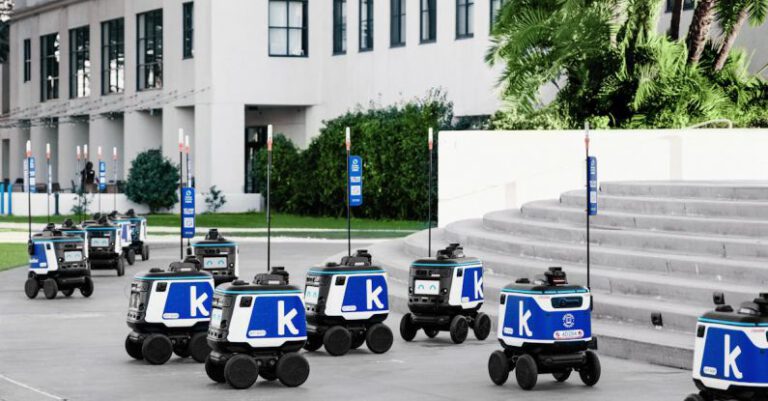
Robots are increasingly being utilized in construction to perform a variety of tasks, ranging from bricklaying and welding to demolition and site inspection. These robots are equipped with advanced sensors and software that allow them to work autonomously, improving accuracy and productivity on construction sites. For example, bricklaying robots can lay bricks at a much faster pace than human workers, leading to quicker project completion times.
**Drones for Surveying and Monitoring**
Drones have become a common sight on construction sites, offering a cost-effective and efficient way to survey land, monitor progress, and inspect hard-to-reach areas. Equipped with high-resolution cameras and mapping software, drones can capture detailed images and data that can be used for site planning, progress tracking, and safety assessments. The use of drones has significantly reduced the time and resources required for traditional surveying methods, making them an indispensable tool for construction projects.
**Building Information Modeling (BIM)**
Building Information Modeling (BIM) is a digital representation of a construction project that integrates 3D models with data on materials, costs, and schedules. BIM allows project stakeholders to collaborate more effectively, visualize the building design in a virtual environment, and identify potential issues before construction begins. The adoption of BIM has transformed the way construction projects are planned and executed, leading to improved coordination, reduced errors, and increased efficiency throughout the project lifecycle.
**Artificial Intelligence and Machine Learning**
Artificial Intelligence (AI) and Machine Learning are being used in construction to analyze vast amounts of data, optimize project schedules, and predict potential risks. AI algorithms can identify patterns and trends in project data, enabling construction companies to make informed decisions and adapt to changing conditions quickly. Machine Learning algorithms can also optimize equipment usage, reduce downtime, and improve resource allocation, leading to cost savings and improved project outcomes.
**Prefabrication and Modular Construction**
Prefabrication and modular construction are gaining popularity in the industry as a way to streamline the construction process and improve project efficiency. Prefabricated components are manufactured off-site in a controlled environment, then assembled on-site, reducing construction time and waste. Modular construction takes prefabrication a step further by creating entire building modules that can be stacked and connected to form a complete structure. These methods offer faster project delivery, higher quality control, and reduced labor costs, making them attractive options for construction projects of all sizes.
**Sustainability and Green Building Practices**
Automation in construction is also driving the adoption of sustainable and green building practices. By using automated systems to optimize energy usage, reduce waste, and enhance building performance, construction companies can lower their environmental impact and operating costs. From automated lighting and HVAC systems to advanced building materials and waste recycling technologies, automation is playing a crucial role in creating more sustainable and eco-friendly buildings.
**In Conclusion**
The latest developments in construction automation are reshaping the industry, providing new opportunities for efficiency, safety, and sustainability. From robotics and drones to BIM and AI, construction companies are embracing technology to improve project outcomes and stay competitive in a rapidly evolving market. As automation continues to advance, we can expect to see even more innovative solutions that will transform the way we build and design structures in the future.