What Innovations Are Making Construction Sites Safer?
Construction sites have long been associated with hazards and risks, making safety a top priority for the industry. However, with advancements in technology and innovative solutions, construction sites are becoming safer than ever before. These innovations are revolutionizing the way construction projects are carried out and are significantly reducing the number of accidents and injuries on job sites.
**Drones Enhancing Site Inspections**
Drones have emerged as a game-changer in the construction industry, particularly when it comes to site inspections. These unmanned aerial vehicles can capture high-resolution images and videos of construction sites from various angles, providing project managers with valuable insights into potential safety hazards. By using drones for site inspections, construction companies can identify safety issues proactively and address them before they escalate into accidents.
**Wearable Technology for Worker Safety**
Wearable technology, such as smart helmets and vests, is revolutionizing worker safety on construction sites. These devices are equipped with sensors that monitor vital signs, detect hazardous conditions, and alert workers in real-time. For instance, smart helmets can detect if a worker is fatigued or overheated, prompting them to take a break and prevent accidents caused by human error. By integrating wearable technology into daily operations, construction companies can ensure the well-being of their workforce and create a safer working environment.
**Building Information Modeling (BIM) for Safety Planning**
Building Information Modeling (BIM) is a digital representation of a construction project that enables stakeholders to visualize the entire building process before construction begins. BIM technology is now being utilized for safety planning, allowing project teams to identify potential safety risks and develop effective safety protocols. By simulating various scenarios using BIM, construction companies can implement safety measures that minimize hazards and prevent accidents on-site.
**Robotic Automation for Hazardous Tasks**
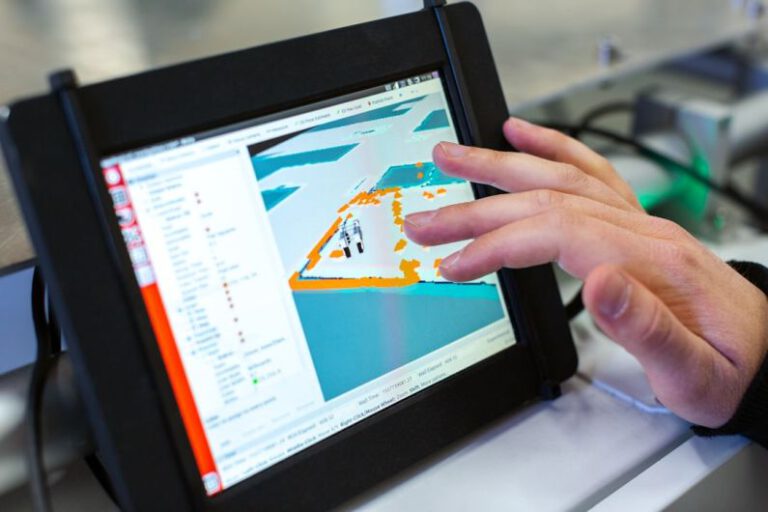
Robotic automation is increasingly being adopted in the construction industry to perform hazardous tasks that pose risks to workers. Robots can be deployed to handle tasks such as heavy lifting, demolition, and working at heights, reducing the likelihood of accidents and injuries. By delegating dangerous tasks to robots, construction companies can protect their workforce from harm and improve overall safety standards on job sites.
**Virtual Reality (VR) Training for Safety Protocols**
Virtual Reality (VR) technology is being utilized to provide immersive training experiences for construction workers on safety protocols and procedures. By simulating realistic construction site scenarios in a virtual environment, workers can practice responding to emergencies and navigating hazardous conditions without any real-world risks. VR training enhances workers’ safety awareness and preparedness, ensuring that they are well-equipped to handle challenging situations on-site.
**Internet of Things (IoT) for Real-Time Monitoring**
The Internet of Things (IoT) is revolutionizing safety management on construction sites by enabling real-time monitoring of equipment, materials, and environmental conditions. IoT sensors can detect changes in temperature, humidity, and air quality, alerting project managers to potential safety hazards. By leveraging IoT technology, construction companies can track the status of equipment, monitor workers’ activities, and ensure compliance with safety regulations, ultimately creating a safer working environment for all stakeholders.
**Conclusion: A Safer Future for Construction**
Innovations in technology are shaping the future of construction safety, transforming job sites into safer and more secure environments for workers. Drones, wearable technology, BIM, robotic automation, VR training, and IoT are just a few examples of the groundbreaking innovations that are revolutionizing safety practices in the construction industry. By embracing these technologies and integrating them into daily operations, construction companies can minimize risks, prevent accidents, and prioritize the well-being of their workforce. The future of construction safety looks brighter than ever, thanks to these innovative solutions that are making construction sites safer for everyone involved.