What Innovations Make a City More Livable?
Creating a city that is not only functional but also enjoyable to live in is a challenge that urban planners and designers face around the world. As populations continue to grow, cities must adapt and innovate to cater to the needs and preferences of their residents. From sustainable transportation options to green spaces and smart technology, there are various innovations that can significantly enhance the livability of a city.
**Sustainable Transportation Infrastructure**
One of the key aspects that can make a city more livable is its transportation infrastructure. Cities that prioritize sustainable modes of transportation such as cycling lanes, pedestrian-friendly walkways, and efficient public transportation systems tend to be more attractive to residents. By reducing reliance on private cars, cities can not only decrease traffic congestion and air pollution but also promote a healthier and more active lifestyle among their inhabitants. Investing in bike-sharing programs, electric vehicle charging stations, and well-connected public transportation networks can significantly improve the overall quality of life in a city.
**Green Spaces and Urban Planning**
The presence of green spaces within a city has been proven to have numerous benefits for residents. Parks, gardens, and urban forests not only provide recreational opportunities but also contribute to improved air quality, biodiversity, and mental well-being. Cities that prioritize the integration of green spaces into their urban planning strategies create more sustainable and livable environments for their residents. Access to nature within the city limits allows people to escape the hustle and bustle of urban life and connect with the natural world, promoting a sense of peace and tranquility.
**Smart Technology Integration**
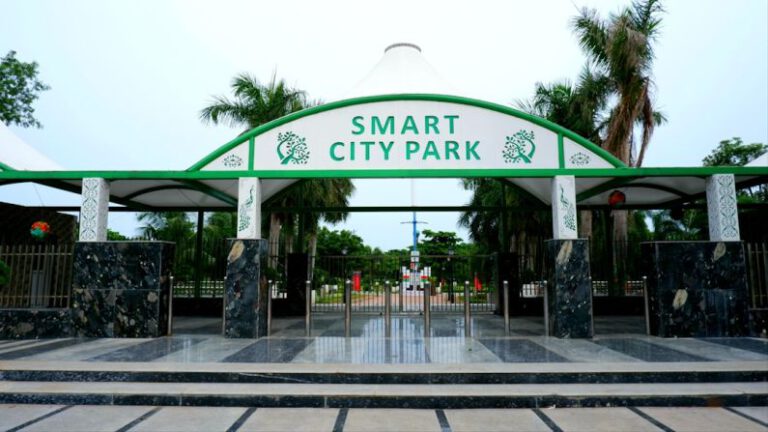
In the era of digital advancements, the integration of smart technology into urban infrastructure has the potential to revolutionize the way cities operate. From smart traffic management systems to energy-efficient buildings and connected public services, technology can enhance the efficiency and sustainability of urban environments. Smart sensors, data analytics, and artificial intelligence can help cities optimize resource allocation, reduce energy consumption, and improve the overall quality of life for residents. Cities that embrace innovation and leverage technology to address urban challenges are better equipped to provide a high standard of living for their inhabitants.
**Community Engagement and Social Inclusion**
A truly livable city is one where all residents feel included and have the opportunity to participate in community life. Social inclusion, access to services, and opportunities for civic engagement are essential components of a city’s livability. Cities that prioritize community development, cultural diversity, and social cohesion create a sense of belonging and connectedness among residents. By fostering a strong sense of community and promoting social equity, cities can enhance the overall well-being and happiness of their inhabitants.
**Resilience and Adaptability**
In the face of climate change and other global challenges, cities must prioritize resilience and adaptability to ensure their long-term sustainability. Building infrastructure that can withstand natural disasters, implementing climate change adaptation strategies, and promoting sustainable resource management are crucial aspects of creating a livable city. By investing in resilient infrastructure, green technologies, and disaster preparedness measures, cities can mitigate risks and ensure the safety and well-being of their residents in the face of unforeseen events.
**A Vision for the Future: Embracing Innovation**
As cities continue to evolve and grow, it is essential for urban planners, policymakers, and residents to embrace innovation and creativity in shaping the urban environment. By integrating sustainable transportation options, green spaces, smart technology, community engagement, and resilience into urban planning strategies, cities can create more livable and vibrant spaces for their residents. The key to building a truly livable city lies in fostering a sense of community, promoting sustainability, and embracing innovation to address the complex challenges of urban living.