What’s the Future of Pedestrian Bridges?
Pedestrian bridges have long been an essential feature of urban landscapes, providing safe passage for pedestrians over busy streets and highways. However, as cities continue to grow and evolve, the future of pedestrian bridges is also undergoing a transformation. With advancements in technology, architecture, and sustainability, the pedestrian bridge of tomorrow is set to become more than just a functional structure—it will be a symbol of innovation, connectivity, and environmental consciousness.
**Aesthetics and Design**
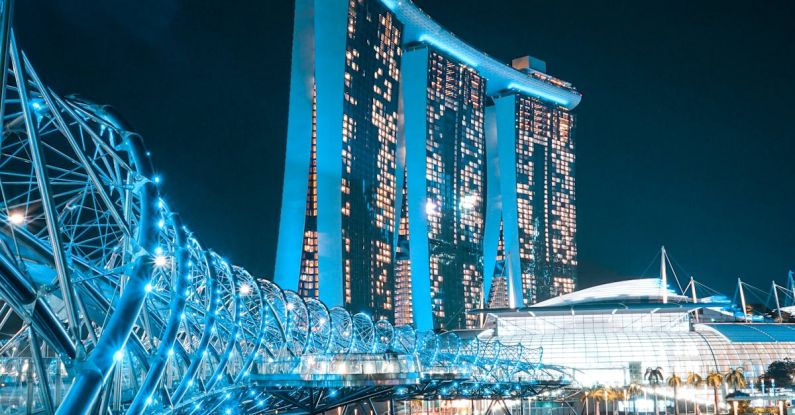
One of the most significant changes in the future of pedestrian bridges lies in their aesthetics and design. Gone are the days of utilitarian structures that simply serve a functional purpose. Pedestrian bridges of the future are expected to be architectural marvels, blending seamlessly with their surroundings and enhancing the overall urban landscape. With the use of cutting-edge materials and innovative design techniques, these bridges will not only be visually appealing but also serve as iconic landmarks in their own right.
**Integration with Smart Technology**
As we move towards a more interconnected world, pedestrian bridges are also expected to embrace smart technology to improve efficiency and user experience. Imagine a pedestrian bridge equipped with sensors that can monitor foot traffic, adjust lighting levels based on the time of day, and even generate energy through solar panels integrated into the structure. By incorporating smart technology, pedestrian bridges can become more than just a means of getting from point A to point B—they can be dynamic, responsive spaces that enhance the urban environment.
**Sustainability and Green Initiatives**
With the increasing focus on sustainability and environmental conservation, the future of pedestrian bridges will undoubtedly prioritize eco-friendly design and construction practices. From using recycled materials to implementing green infrastructure elements such as rain gardens and green roofs, pedestrian bridges of the future will be designed with a focus on reducing their carbon footprint and promoting biodiversity in urban areas. These sustainable practices not only benefit the environment but also contribute to creating healthier and more livable cities for residents and visitors alike.
**Multi-Functionality and Community Engagement**
In addition to serving as a means of pedestrian connectivity, future pedestrian bridges are expected to offer multi-functionality and become vibrant community spaces. Picture a pedestrian bridge that not only provides a crossing but also features green spaces for relaxation, art installations for public enjoyment, and even areas for outdoor events and performances. By incorporating elements that promote community engagement and social interaction, pedestrian bridges can transform from mere infrastructure into hubs of activity and connection within the city.
**The Future is Now**
The future of pedestrian bridges is undoubtedly exciting, with advancements in design, technology, sustainability, and community engagement shaping the bridges of tomorrow. As cities continue to grow and evolve, pedestrian bridges will play a crucial role in enhancing connectivity, promoting sustainable practices, and creating dynamic urban spaces. By embracing innovation and pushing the boundaries of traditional bridge design, the pedestrian bridges of the future have the potential to redefine our urban landscapes and inspire generations to come.
In conclusion, the future of pedestrian bridges is bright, with a focus on aesthetics, smart technology, sustainability, and community engagement driving their evolution. As cities seek to create more livable and connected environments, pedestrian bridges will continue to play a vital role in shaping the urban landscape and fostering a sense of community and innovation. The future is now, and pedestrian bridges are poised to lead the way towards a more sustainable, interconnected, and vibrant future for cities around the world.