How Can Virtual Reality Save Time in Construction?
The construction industry has always been known for its complexity and time-consuming processes. From planning to execution, every step requires meticulous attention to detail and precise coordination. However, with the advancements in technology, particularly the integration of virtual reality (VR) in construction practices, there is a significant opportunity to revolutionize the way projects are managed and completed efficiently. Virtual reality not only enhances the visualization capabilities but also offers a wide range of benefits that can save time and streamline operations in the construction sector.
Enhanced Project Visualization
Virtual reality technology enables stakeholders to experience a project in a more immersive and interactive manner. By creating realistic 3D models of buildings and structures, VR allows architects, engineers, and clients to visualize the project at a scale that was not possible before. This enhanced visualization capability helps in identifying design flaws, potential conflicts, and other issues at an early stage, saving valuable time that would otherwise be spent on rectifying these problems during the construction phase.
Streamlined Collaboration
Collaboration among various teams involved in a construction project is crucial for its success. Virtual reality provides a platform where stakeholders can collaborate in real-time, regardless of their physical location. Through VR-enabled meetings and design reviews, teams can share ideas, make decisions, and resolve issues promptly, thereby eliminating the delays caused by communication barriers and time zone differences. This streamlined collaboration process ensures that everyone is on the same page, leading to more efficient project management and execution.
Improved Safety Training
Safety is a top priority in the construction industry, and VR technology offers an innovative approach to training workers on safety protocols and procedures. By simulating hazardous scenarios in a virtual environment, construction workers can undergo realistic safety training without being exposed to actual risks. This immersive training not only enhances their knowledge and skills but also reduces the time required for traditional classroom-based training sessions. As a result, workers can quickly grasp safety concepts and protocols, leading to a safer working environment and minimizing the likelihood of accidents or delays due to safety issues.
Efficient Equipment Planning
Equipment planning is a critical aspect of construction project management, as the availability and proper utilization of machinery can significantly impact the project timeline. Virtual reality allows project managers to simulate the movement and placement of equipment on-site before the actual construction begins. By optimizing equipment layout and logistics in a virtual environment, managers can identify potential bottlenecks, conflicts, or inefficiencies and make necessary adjustments to streamline the workflow. This proactive approach to equipment planning saves time and ensures that the project progresses smoothly without delays caused by logistical challenges.
Real-Time Progress Monitoring
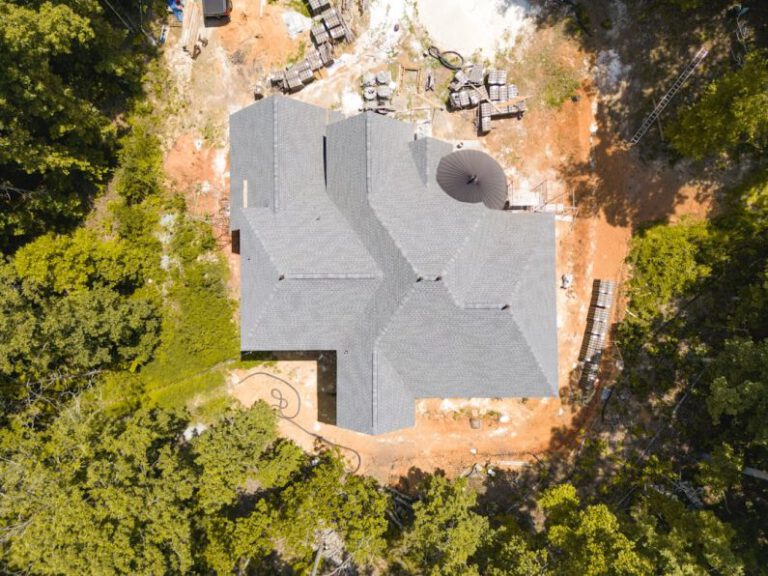
Monitoring the progress of a construction project is essential to ensure that it stays on schedule and within budget. Virtual reality technology enables real-time monitoring of the construction site through the use of drones and 360-degree cameras. Project managers can virtually walk through the site, inspect the workmanship, and track the progress without physically being present on-site. This real-time monitoring capability allows for immediate identification of issues or deviations from the plan, enabling quick decision-making and corrective actions to keep the project on track. By eliminating the need for frequent site visits, virtual reality saves valuable time and resources that can be allocated to other critical tasks.
Innovative Marketing and Stakeholder Engagement
Virtual reality is not only beneficial for internal project management but also plays a crucial role in marketing and stakeholder engagement. Developers and contractors can use VR to create immersive virtual tours of the proposed project, allowing potential buyers or investors to experience the property before it is even built. This innovative marketing strategy not only attracts more interest and investment but also accelerates the decision-making process, ultimately saving time in securing sales or funding. Additionally, VR can be used to engage stakeholders in the design and planning phases, gathering feedback and making revisions in real-time, thereby reducing the back-and-forth communication and speeding up the approval process.
Conclusion: A Time-Saving Tool for the Future of Construction
Virtual reality technology has the potential to revolutionize the construction industry by saving time, enhancing collaboration, improving safety, optimizing equipment planning, enabling real-time progress monitoring, and innovating marketing strategies. By harnessing the power of VR, construction companies can streamline their operations, reduce project timelines, and deliver high-quality projects efficiently. As the technology continues to evolve, its integration into construction practices will become increasingly essential for staying competitive in the fast-paced industry landscape. Embracing virtual reality as a time-saving tool is not just a trend but a strategic investment in the future of construction.