What Makes a Building Truly Green?
Green buildings have become increasingly popular in recent years as society becomes more aware of the environmental impact of construction and the importance of sustainability. However, not all buildings labeled as “green” are created equal. What truly makes a building green? Let’s delve into the key factors that determine the sustainability of a building.
Design and Orientation
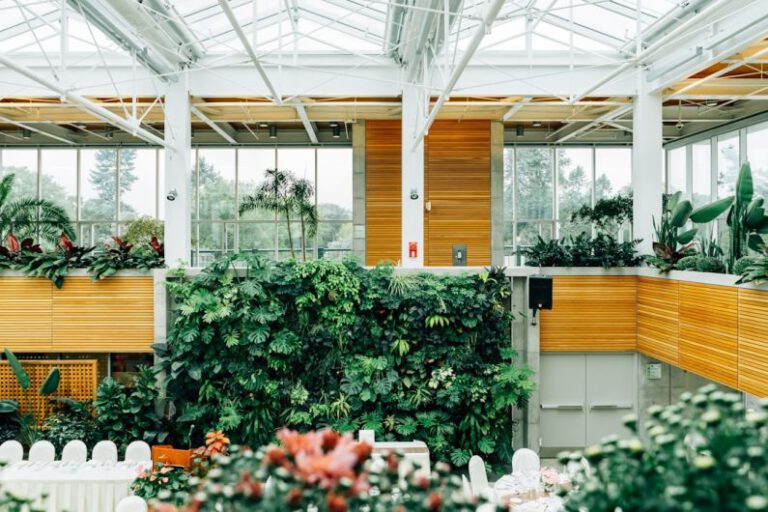
The design and orientation of a building play a crucial role in its sustainability. A green building is one that is designed to maximize natural light and ventilation, reducing the need for artificial lighting and cooling systems. By strategically positioning windows, skylights, and shading devices, architects can optimize daylighting and minimize heat gain, creating a more comfortable and energy-efficient indoor environment.
Materials and Resources
Another essential aspect of green building is the use of sustainable materials and resources. From construction to operation, green buildings prioritize materials that are environmentally friendly, non-toxic, and locally sourced whenever possible. Additionally, green buildings focus on reducing waste and maximizing resource efficiency through practices such as recycling, reuse, and sustainable procurement.
Energy Efficiency
Energy efficiency is a hallmark of green buildings, as reducing energy consumption not only lowers operating costs but also minimizes the building’s carbon footprint. Green buildings incorporate energy-efficient systems and technologies, such as LED lighting, high-efficiency HVAC systems, and renewable energy sources like solar panels and wind turbines. By optimizing energy performance, green buildings help combat climate change and contribute to a more sustainable future.
Water Conservation
Water conservation is another critical component of green building design. Green buildings integrate water-efficient fixtures, such as low-flow toilets and faucets, as well as rainwater harvesting systems and greywater recycling technologies. By reducing water consumption and promoting water reuse, green buildings help preserve this precious resource and mitigate the impact of droughts and water scarcity.
Indoor Environmental Quality
The indoor environmental quality of a building has a significant impact on the health and well-being of its occupants. Green buildings prioritize indoor air quality by using low-emission materials, providing adequate ventilation, and controlling indoor pollutants. Additionally, green buildings focus on creating comfortable and healthy indoor environments through proper thermal comfort, acoustics, and lighting design.
Site Sustainability
Site sustainability is an often-overlooked aspect of green building but is crucial for minimizing the environmental impact of a building throughout its lifecycle. Green buildings consider factors such as site selection, land use planning, biodiversity conservation, and transportation connectivity to promote sustainable development and reduce reliance on personal vehicles.
Community Engagement
Community engagement is an essential element of green building design, as sustainable buildings not only benefit their occupants but also the surrounding community and the environment as a whole. Green buildings strive to engage with the community through outreach programs, education initiatives, and partnerships with local organizations to promote sustainability and create a positive impact on society.
A Sustainable Future
In conclusion, what makes a building truly green goes beyond mere labels and certifications. A green building is one that embodies the principles of sustainability in its design, construction, operation, and impact on the environment and society. By prioritizing factors such as design and orientation, materials and resources, energy efficiency, water conservation, indoor environmental quality, site sustainability, and community engagement, green buildings pave the way for a more sustainable future for all.