How Does Green Roofing Contribute to Sustainability?
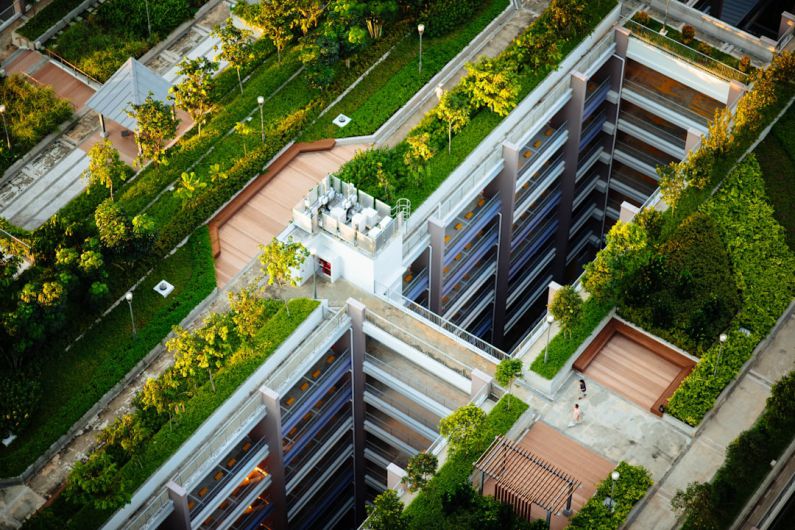
Green roofing has gained popularity in recent years as a sustainable and eco-friendly roofing solution. By incorporating vegetation and plant life on rooftops, green roofing offers a range of benefits that contribute to sustainability in various ways.
### Enhances Energy Efficiency
One of the key ways green roofing contributes to sustainability is by enhancing energy efficiency. The vegetation on green roofs acts as a natural insulator, helping regulate indoor temperatures by reducing heat transfer through the roof. This natural insulation effect can lead to lower energy consumption for heating and cooling, ultimately reducing the carbon footprint of buildings.
### Mitigates Urban Heat Island Effect
Urban heat island effect refers to the phenomenon where urban areas experience higher temperatures than surrounding rural areas due to human activities and the built environment. Green roofing helps mitigate this effect by absorbing and reflecting less heat compared to traditional roofs, which are known to absorb and retain heat. By reducing the heat island effect, green roofs contribute to creating a more comfortable and cooler urban environment, especially during hot summer months.
### Improves Air Quality
Another significant contribution of green roofing to sustainability is the improvement of air quality. Plants on green roofs absorb carbon dioxide and other pollutants from the air, helping to reduce greenhouse gas emissions and air pollution levels in urban areas. Additionally, green roofs can help filter out particulate matter and harmful pollutants, leading to cleaner and healthier air for inhabitants of the building and the surrounding community.
### Manages Stormwater Runoff
Green roofing plays a crucial role in managing stormwater runoff, especially in urban areas where impermeable surfaces like concrete dominate the landscape. The vegetation on green roofs helps absorb and retain rainwater, reducing the volume of runoff that can overwhelm stormwater systems and lead to flooding. By slowing down the rate of runoff and allowing for natural evapotranspiration, green roofs help alleviate pressure on drainage infrastructure and contribute to better stormwater management practices.
### Supports Biodiversity
Green roofing provides a habitat for various plant species, insects, and birds, supporting biodiversity in urban environments. By creating green spaces on rooftops, green roofs offer opportunities for native plants to thrive and attract pollinators, contributing to the overall ecological balance in cities. This support for biodiversity is essential for maintaining healthy ecosystems and promoting environmental sustainability in urban areas.
### Extends Roof Lifespan
Beyond its environmental benefits, green roofing also contributes to sustainability by extending the lifespan of the roof itself. The vegetation and soil on green roofs act as a protective layer, shielding the waterproofing membrane from UV radiation, temperature fluctuations, and physical damage. By reducing the wear and tear on the roof, green roofing can prolong its lifespan, reducing the need for frequent roof replacements and the associated environmental impact of manufacturing and disposing of roofing materials.
### Promotes Sustainable Urban Development
In conclusion, green roofing plays a crucial role in promoting sustainable urban development by offering a range of environmental, social, and economic benefits. From enhancing energy efficiency and mitigating the urban heat island effect to improving air quality and supporting biodiversity, green roofs contribute to creating healthier, more resilient, and sustainable cities. By incorporating green roofing practices into building design and urban planning, we can work towards creating more sustainable and livable environments for current and future generations.