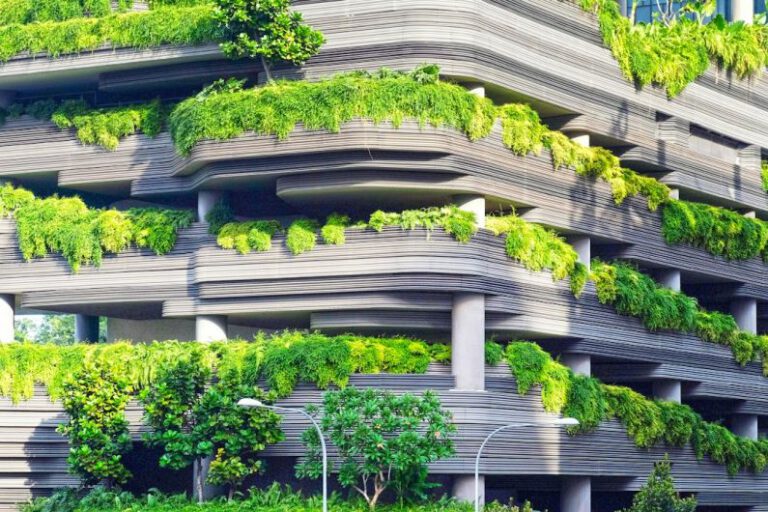
How Can Landscape Design Contribute to Green Building?
In today’s world, where sustainability and environmental consciousness are becoming increasingly important, the role of landscape design in contributing to green building practices has garnered significant attention. While architecture and construction play a vital role in creating environmentally friendly structures, the surrounding landscape also holds immense potential in enhancing the sustainability of a building. From reducing energy consumption to mitigating stormwater runoff, landscape design can offer numerous benefits that align with the principles of green building. Let’s delve into how landscape design can make a significant impact on the sustainability of buildings and the environment.
**Enhancing Energy Efficiency**
One of the key ways landscape design contributes to green building is by enhancing energy efficiency. Thoughtfully planned landscaping can provide natural shade during hot summers, reducing the need for excessive air conditioning. By strategically planting trees around a building, designers can create a microclimate that helps in maintaining comfortable indoor temperatures without relying heavily on mechanical cooling systems. Additionally, trees and vegetation can act as natural windbreaks, reducing heat loss during colder months and further improving energy efficiency.
**Stormwater Management**
Effective stormwater management is a crucial aspect of green building design, and landscape architecture plays a significant role in this regard. By implementing features such as rain gardens, green roofs, permeable paving, and bioswales, landscape designers can help capture and filter stormwater runoff, reducing the burden on municipal drainage systems and preventing pollution of water bodies. These green infrastructure practices not only contribute to the sustainability of a building but also promote biodiversity and improve the overall quality of urban environments.
**Enhancing Biodiversity**
The integration of native plants and natural habitats within the landscape design of a building can significantly enhance biodiversity in urban areas. By creating green spaces that support local flora and fauna, landscape architects contribute to the preservation of ecosystems and the promotion of wildlife habitats. Increasing biodiversity within urban environments is essential for maintaining ecological balance and supporting the overall health of the planet.
**Air Quality Improvement**
Green building practices aim to create healthier indoor environments for occupants, and landscape design plays a crucial role in achieving this goal. Plants not only absorb carbon dioxide and release oxygen but also help in filtering pollutants from the air. By incorporating a variety of plants and trees in the landscape design, designers can improve air quality around the building, creating a healthier and more pleasant living or working environment.
**Social and Psychological Benefits**
In addition to the environmental advantages, landscape design in green building projects can offer a range of social and psychological benefits. Access to green spaces has been linked to improved mental health, reduced stress levels, and increased overall well-being. By creating visually appealing and functional outdoor areas, landscape designers can enhance the quality of life for building occupants and contribute to the creation of sustainable communities.
**Innovative Approaches to Landscape Design**
As the importance of sustainability continues to grow, landscape designers are exploring innovative approaches to integrate green building principles into their projects. Concepts such as biophilic design, which emphasizes the connection between humans and nature, and regenerative landscapes, which aim to restore ecosystems and promote biodiversity, are gaining traction in the field. By embracing these cutting-edge ideas, landscape architects can play a key role in shaping the future of green building practices.
**Embracing a Sustainable Future**
In conclusion, landscape design holds immense potential in contributing to green building practices by enhancing energy efficiency, managing stormwater, promoting biodiversity, improving air quality, and providing social and psychological benefits. As the demand for sustainable and environmentally friendly buildings continues to rise, the role of landscape architects in creating holistic and eco-conscious design solutions becomes increasingly important. By embracing innovative approaches and integrating green building principles into their work, landscape designers can help pave the way towards a more sustainable future for our built environment.