What Are the Benefits of Smart Parks in Urban Areas?
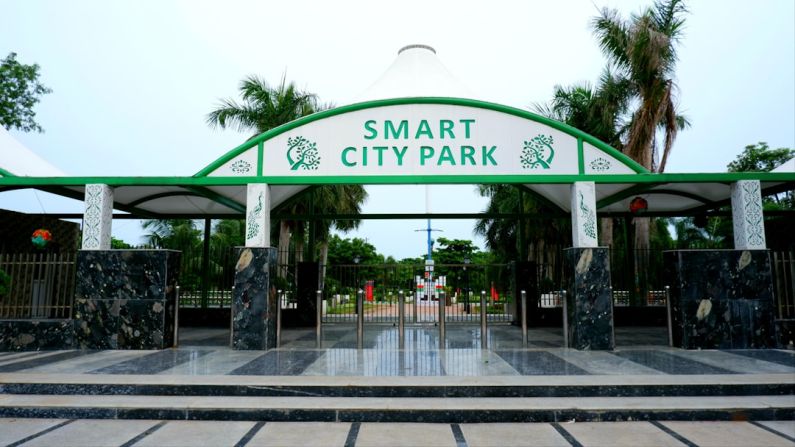
Urban areas around the world are constantly evolving to meet the needs of their inhabitants. As cities become more populated and green spaces become scarce, the concept of smart parks has emerged as a solution to enhance urban living. These innovative spaces leverage technology to provide a range of benefits to city dwellers, promoting sustainability, connectivity, and overall well-being. Let’s delve into the various advantages that smart parks offer in urban areas.
**Enhanced Sustainability**
Smart parks play a vital role in promoting sustainability within urban environments. By incorporating eco-friendly features such as solar panels, energy-efficient lighting, and water-saving irrigation systems, these parks help reduce the carbon footprint of cities. Additionally, the use of smart sensors can optimize energy consumption and waste management, making these spaces more environmentally friendly. By fostering a sustainable mindset, smart parks contribute to creating healthier and greener urban landscapes for both current and future generations.
**Improved Connectivity**
One of the key benefits of smart parks in urban areas is the enhancement of connectivity among residents. These parks are designed to be Wi-Fi enabled, allowing visitors to stay connected while enjoying the outdoors. This connectivity not only improves the overall park experience but also promotes community engagement and social interaction. Smart parks often feature interactive kiosks or mobile apps that provide information about park amenities, upcoming events, and educational resources, further enhancing the sense of connection within the community.
**Health and Well-being**
Smart parks are designed with the well-being of urban residents in mind. These spaces offer opportunities for physical activity, relaxation, and mental rejuvenation, all of which are essential for maintaining a healthy lifestyle. From fitness stations and walking trails to designated meditation areas and green spaces, smart parks provide a diverse range of amenities that cater to the well-being needs of individuals of all ages. By promoting an active and balanced lifestyle, these parks contribute to reducing stress levels, improving mental health, and enhancing overall quality of life.
**Innovative Recreational Opportunities**
Smart parks are not just green spaces; they are hubs of innovation and creativity that offer unique recreational opportunities for urban residents. From augmented reality games and interactive art installations to outdoor theaters and cultural events, smart parks provide a platform for showcasing cutting-edge technologies and artistic expressions. These dynamic recreational offerings attract a diverse range of visitors, fostering a sense of inclusivity and cultural exchange within urban communities. By embracing creativity and innovation, smart parks enrich the urban experience and contribute to the vibrant tapestry of city life.
**Economic Benefits**
In addition to their social and environmental advantages, smart parks also deliver economic benefits to urban areas. These parks attract tourists and residents alike, boosting local businesses and stimulating economic growth. The presence of smart parks in a city can increase property values, attract investment, and create job opportunities in sectors related to park maintenance, technology integration, and event management. By serving as catalysts for economic development, smart parks contribute to building resilient and thriving urban economies that benefit the entire community.
**In Conclusion**
Smart parks represent a forward-thinking approach to urban planning that prioritizes sustainability, connectivity, and well-being. By harnessing the power of technology and design, these innovative spaces offer a host of benefits to urban areas, ranging from enhanced environmental sustainability to improved community connectivity and economic growth. As cities continue to evolve, the integration of smart parks will play a crucial role in shaping vibrant, resilient, and inclusive urban environments that cater to the diverse needs of their inhabitants.