How Do Drones Transform Construction Sites?
Drones have become an indispensable tool in the construction industry, revolutionizing the way projects are planned, executed, and monitored. These unmanned aerial vehicles are changing the game for construction sites worldwide, offering numerous benefits that enhance efficiency, safety, and accuracy. Let’s delve into how drones are transforming construction sites and reshaping the future of the industry.
Enhancing Surveying and Mapping
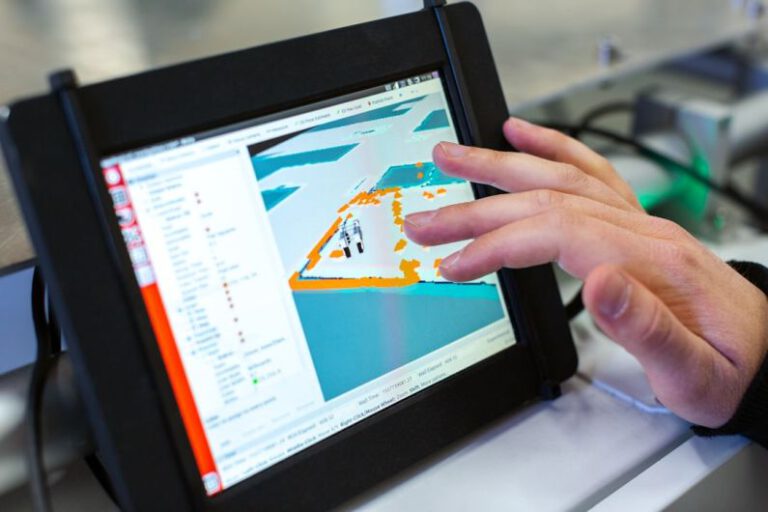
One of the key ways drones are transforming construction sites is through their ability to conduct surveys and create accurate 3D maps of the area. Traditionally, land surveying involved manual labor and was time-consuming. Drones now offer a faster and more efficient alternative, allowing construction teams to gather data quickly and accurately. By flying over the construction site, drones can capture high-resolution images and create detailed maps that provide valuable insights for project planning and design.
Monitoring Progress in Real-Time
Drones also play a crucial role in monitoring construction progress in real-time. By capturing aerial footage and images, drones enable project managers to track developments on-site without physically being present. This real-time monitoring helps identify issues early on, assess the project’s status, and make informed decisions to ensure deadlines are met. With drones, project stakeholders can stay updated on the construction process from anywhere, enhancing communication and collaboration among team members.
Improving Safety Measures
Safety is a top priority in the construction industry, and drones are contributing to enhancing safety measures on construction sites. By conducting aerial inspections, drones can identify potential hazards, monitor workers’ activities, and ensure compliance with safety regulations. Drones also mitigate risks by accessing hard-to-reach areas without putting workers in harm’s way. With their ability to provide a bird’s eye view of the site, drones help prevent accidents and create a safer working environment for construction crews.
Optimizing Resource Management
Efficient resource management is vital for successful construction projects, and drones are optimizing the way resources are utilized on-site. Drones can track the movement of materials, equipment, and personnel, allowing project managers to streamline workflows and allocate resources effectively. By collecting data on resource usage and productivity, drones help identify areas for improvement and enhance overall project efficiency. With drones’ assistance, construction companies can minimize waste, reduce costs, and maximize productivity throughout the project lifecycle.
Accelerating Inspections and Maintenance
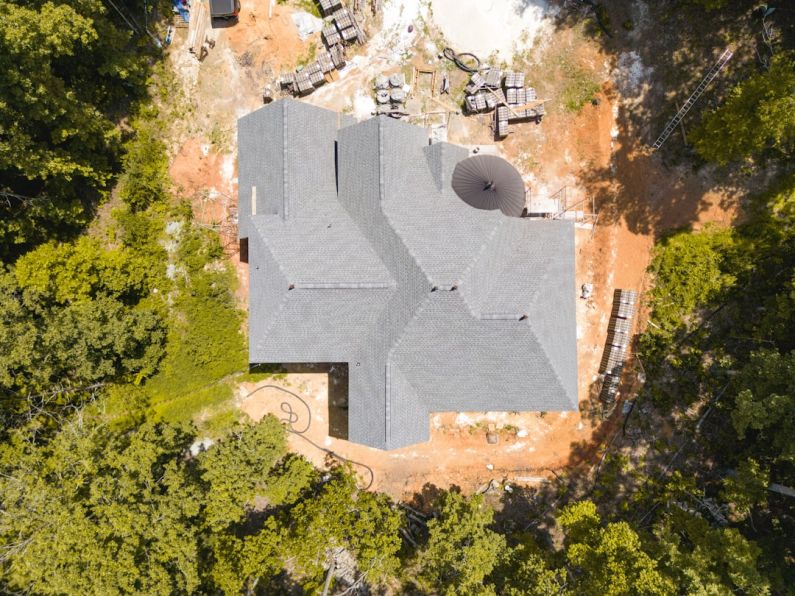
Inspections and maintenance are essential tasks in construction projects, and drones are accelerating these processes significantly. Drones equipped with cameras and sensors can inspect structures, roofs, and other components with high precision and detail. This aerial perspective enables inspectors to identify defects, assess structural integrity, and perform maintenance tasks more efficiently. By automating inspection procedures, drones save time, reduce labor costs, and ensure thorough evaluations of construction sites.
Driving Innovation in Construction Technology
The integration of drones into construction sites is driving innovation and pushing boundaries in construction technology. As drones continue to evolve and improve, new applications and capabilities are emerging, revolutionizing how construction projects are executed. From drone swarms for large-scale mapping to AI-powered drones for autonomous site monitoring, the possibilities are endless. By embracing drone technology, construction companies are staying at the forefront of innovation and redefining industry standards.
Empowering Sustainable Practices
Sustainability is a growing concern in the construction industry, and drones are empowering sustainable practices on construction sites. By optimizing resource management, reducing waste, and enhancing efficiency, drones contribute to minimizing the environmental impact of construction projects. Additionally, drones can monitor environmental conditions, track vegetation growth, and assess site impact, aiding in the implementation of eco-friendly construction practices. With drones’ support, construction companies can work towards sustainable development and environmental conservation.
In conclusion,
Drones have undeniably transformed construction sites, offering unprecedented capabilities that improve productivity, safety, and sustainability. By revolutionizing surveying, monitoring progress, enhancing safety measures, optimizing resource management, accelerating inspections, driving innovation, and empowering sustainable practices, drones are reshaping the construction industry’s future. As technology continues to advance, the potential of drones in construction sites will only continue to grow, paving the way for more efficient, cost-effective, and sustainable construction practices.