How Do Smart Cities Improve Quality of Life?
Smart cities have been a growing trend in urban development in recent years, aiming to enhance the quality of life for residents through the utilization of technology and data-driven solutions. These cities leverage various technologies to improve efficiency, sustainability, and overall well-being for their inhabitants. By integrating advanced infrastructure and digital innovations, smart cities are revolutionizing the way people live, work, and interact within urban environments.
Enhanced Mobility and Transportation
One of the key ways in which smart cities improve quality of life is through enhanced mobility and transportation systems. By implementing smart traffic management solutions, cities can reduce congestion, decrease commute times, and improve overall transportation efficiency. Advanced technologies, such as real-time traffic monitoring, predictive analytics, and smart parking systems, enable residents to navigate the city more easily and reach their destinations faster. This not only saves time but also reduces stress and contributes to a more pleasant urban experience.
Efficient Resource Management
Smart cities also focus on efficient resource management to enhance the quality of life for residents. By utilizing IoT devices and sensors, cities can monitor and manage resources such as water, energy, and waste more effectively. Smart meters, for example, allow for real-time monitoring of water and energy usage, enabling residents to make informed decisions about their consumption habits. Additionally, waste management systems equipped with sensors can optimize collection routes, reduce landfill waste, and promote recycling initiatives. These sustainable practices not only benefit the environment but also contribute to a healthier and more livable city for its residents.
Improved Public Safety and Security
Another crucial aspect of smart cities is the enhancement of public safety and security measures. By deploying smart surveillance systems, emergency response technologies, and data analytics tools, cities can effectively monitor and respond to potential threats in real-time. Smart street lighting equipped with sensors can improve visibility and deter criminal activities, while connected emergency services can provide rapid assistance during emergencies. These initiatives create a safer environment for residents, fostering a sense of security and well-being within the community.
Enhanced Connectivity and Access to Services
Smart cities prioritize connectivity and access to services to improve the quality of life for residents. High-speed internet access, digital platforms for service delivery, and smart infrastructure enable seamless communication and interaction within the city. Residents can easily access public services, engage with local government initiatives, and connect with each other through digital platforms. This increased connectivity not only fosters a sense of community but also enhances accessibility to essential services such as healthcare, education, and employment opportunities.
Promotion of Sustainable Living
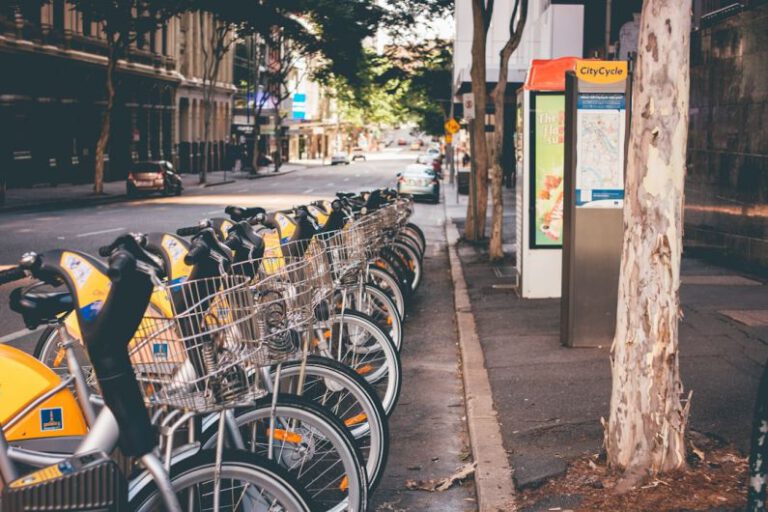
Smart cities promote sustainable living practices to enhance the overall quality of life for residents and reduce environmental impact. By integrating renewable energy sources, promoting eco-friendly transportation options, and implementing green building standards, cities can create a more sustainable and eco-conscious urban environment. Initiatives such as bike-sharing programs, electric vehicle charging stations, and green spaces contribute to a healthier and more sustainable lifestyle for residents. By encouraging sustainable living practices, smart cities aim to create a greener and more resilient urban landscape for future generations.
Innovative Urban Planning and Design
Smart cities leverage innovative urban planning and design strategies to create more livable and inclusive urban spaces. By incorporating smart technologies into the design process, cities can enhance accessibility, promote walkability, and create vibrant public spaces for residents to enjoy. Urban planning initiatives such as mixed-use developments, pedestrian-friendly streets, and smart infrastructure design contribute to a more dynamic and engaging urban experience. These innovative approaches to urban planning foster a sense of community, promote social interaction, and enhance the overall quality of life for residents.
Creating a Sustainable Future
Smart cities play a crucial role in shaping the future of urban living by prioritizing sustainability, innovation, and quality of life for residents. Through the integration of advanced technologies, data-driven solutions, and sustainable practices, these cities are transforming the way people experience urban environments. By focusing on mobility, resource management, public safety, connectivity, sustainable living, and urban planning, smart cities are creating a more efficient, inclusive, and resilient urban landscape for residents to thrive in. As the world continues to urbanize, smart cities offer a promising vision for a sustainable and prosperous future.