What Are the Innovations behind the Sydney Opera House?
**What Are the Innovations behind the Sydney Opera House?**
The Sydney Opera House stands as an iconic symbol of architectural brilliance, captivating millions of visitors each year with its unique design and grandeur. But what exactly are the innovations that set this world-renowned structure apart from the rest?
**A Visionary Design by Jørn Utzon**
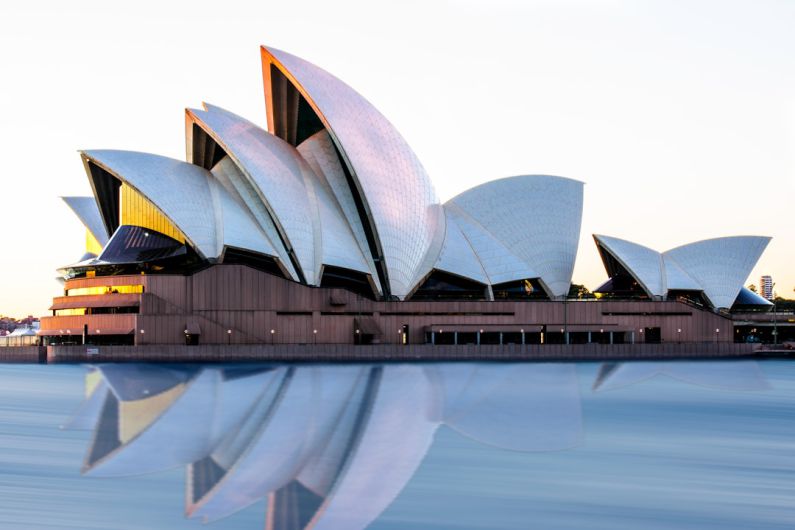
At the heart of the Sydney Opera House’s innovations lies its visionary design by Danish architect Jørn Utzon. Utzon’s winning entry in an international design competition in 1957 was a bold departure from traditional architectural norms, featuring a series of sail-like shells that seem to float above the Sydney Harbour. This groundbreaking design not only captured the imagination of the world but also presented significant engineering challenges that pushed the boundaries of what was thought possible at the time.
**Shell Structure and Construction Techniques**
One of the key innovations of the Sydney Opera House is its shell-like structure, composed of a series of precast concrete ribs that form the iconic roof sails. These shells are not only visually striking but also serve a practical purpose in supporting the roof while minimizing the need for internal columns, creating a sense of openness and spaciousness within the building.
To realize Utzon’s ambitious design, innovative construction techniques were developed, including the use of precast concrete panels that were cast off-site and then transported to the construction site for assembly. This prefabrication method allowed for greater precision in manufacturing and assembly, reducing construction time and costs while ensuring the structural integrity of the shells.
**Tensioned Roof Structure**
Another innovation that sets the Sydney Opera House apart is its tensioned roof structure, which consists of a series of steel cables that support the concrete shells. This innovative engineering solution not only helps distribute the weight of the roof evenly but also allows for flexibility in responding to changes in temperature and wind loads, ensuring the stability and longevity of the structure.
The use of steel cables to tension the roof also enabled the construction of the large spans that define the Sydney Opera House, creating vast interior spaces that are free from obstructive columns and walls. This open and airy design not only enhances the acoustics of the performance halls but also provides visitors with breathtaking views of the harbor and skyline.
**Innovative Acoustic Design**
In addition to its striking visual appeal, the Sydney Opera House is also renowned for its innovative acoustic design, which was developed in collaboration with renowned acoustician Dr. Cyril Harris. The unique shape of the performance halls, with their curved walls and high ceilings, helps to disperse sound evenly throughout the space, creating an immersive and intimate listening experience for audiences.
To further enhance the acoustics, special materials such as brush box timber and white birch plywood were used in the interior finishes of the performance halls, absorbing and diffusing sound to minimize echoes and reverberations. These acoustic innovations have helped the Sydney Opera House earn a reputation as one of the world’s premier venues for music and performing arts, attracting top artists and performers from around the globe.
**A Timeless Icon of Innovation**
As a testament to human ingenuity and creativity, the Sydney Opera House continues to inspire and awe visitors with its timeless beauty and groundbreaking innovations. From its visionary design by Jørn Utzon to its innovative construction techniques and acoustic design, every aspect of this architectural marvel showcases the power of bold ideas and collaborative efforts in pushing the boundaries of what is possible in the world of architecture and design.
**In Summary**
The innovations behind the Sydney Opera House are not just limited to its striking appearance but extend to every aspect of its design and construction. From the visionary concept of Jørn Utzon to the innovative shell structure, tensioned roof system, and acoustic design, this iconic landmark stands as a shining example of human creativity and engineering excellence. As a symbol of innovation and architectural brilliance, the Sydney Opera House continues to captivate and inspire generations of visitors, leaving an indelible mark on the world stage.