What’s New in Energy-efficient Construction?
As the world continues to prioritize sustainability and environmental consciousness, the construction industry is also evolving to embrace energy-efficient practices. This shift is not only beneficial for the environment but also for reducing operational costs and creating healthier indoor spaces. Let’s delve into the latest trends and technologies shaping energy-efficient construction.
Innovative Building Materials and Techniques
One of the key aspects of energy-efficient construction is the use of innovative building materials and techniques. Builders are increasingly turning to materials that offer better insulation properties, such as insulated concrete forms (ICFs) and structural insulated panels (SIPs). These materials help reduce heat loss, minimize energy consumption for heating and cooling, and enhance overall building performance.
Furthermore, advancements in construction techniques, such as passive design strategies and air sealing, are being widely adopted to improve energy efficiency. Passive design utilizes the building’s orientation, window placement, and shading to maximize natural light and ventilation, reducing the need for artificial lighting and mechanical cooling. Air sealing techniques, like using high-performance windows and doors, help prevent air leakage, maintaining a consistent indoor temperature and reducing energy waste.
Smart Technologies and Automation
The integration of smart technologies and automation systems is revolutionizing energy-efficient construction. Smart thermostats, lighting controls, and occupancy sensors enable buildings to adjust energy usage based on occupancy patterns and external conditions. These technologies not only enhance comfort and convenience for occupants but also optimize energy consumption, resulting in long-term energy savings.
Moreover, the rise of Building Energy Management Systems (BEMS) allows for centralized monitoring and control of a building’s energy systems. BEMS collect real-time data on energy usage, identify inefficiencies, and automatically adjust settings to improve energy performance. This proactive approach to energy management helps building owners and operators make informed decisions to reduce their carbon footprint and operational costs.
Renewable Energy Integration
The integration of renewable energy sources, such as solar panels and wind turbines, plays a crucial role in energy-efficient construction. By harnessing clean, renewable energy, buildings can significantly reduce their reliance on traditional fossil fuels and lower greenhouse gas emissions. Solar photovoltaic systems, in particular, are becoming more affordable and accessible, offering a sustainable solution to power electrical systems and appliances.
In addition to generating renewable energy on-site, buildings can also benefit from grid-connected systems that allow for excess energy production to be fed back into the grid. This not only promotes energy self-sufficiency but also creates opportunities for building owners to earn credits or incentives through net metering programs. The combination of renewable energy integration and energy-efficient design principles is shaping a more sustainable future for the construction industry.
Healthy Indoor Environments
Beyond energy efficiency, the focus on creating healthy indoor environments is gaining momentum in energy-efficient construction. Builders are paying more attention to indoor air quality, thermal comfort, and natural lighting to enhance occupant well-being and productivity. Low-VOC (volatile organic compound) materials, efficient ventilation systems, and daylighting strategies are being incorporated to promote a healthier indoor environment.
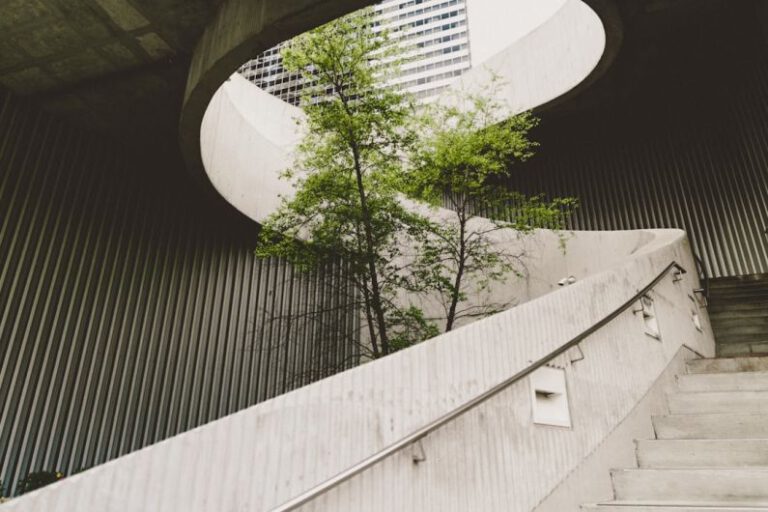
Furthermore, biophilic design principles, which emphasize the connection between humans and nature, are being integrated into building layouts to improve mental health and overall satisfaction. By incorporating elements such as green spaces, natural materials, and views of the outdoors, energy-efficient buildings can provide occupants with a more comfortable and inspiring living or working environment.
Embracing a Sustainable Future
In conclusion, energy-efficient construction is rapidly evolving to embrace innovative technologies, renewable energy integration, and a holistic approach to building design. By prioritizing sustainability, builders can create high-performance buildings that not only reduce energy consumption and operational costs but also promote occupant health and well-being. As the construction industry continues to adapt to the demands of a changing world, the shift towards energy-efficient practices is essential in shaping a more sustainable future for generations to come.