What’s the Impact of Green Buildings on Health?
Green buildings have been gaining popularity in recent years due to their positive impact on the environment and energy efficiency. However, beyond their environmental benefits, green buildings also have significant implications for human health. The design, construction, and operation of green buildings can have a direct influence on the well-being of their occupants. In this article, we will explore the various ways in which green buildings can affect human health and overall quality of life.
Improved Indoor Air Quality
One of the key benefits of green buildings is the focus on improving indoor air quality. Traditional buildings often have poor ventilation systems that can lead to the accumulation of indoor pollutants such as volatile organic compounds (VOCs) and mold. In contrast, green buildings are designed to maximize natural ventilation and filtration systems, reducing the presence of harmful substances in the air. This cleaner indoor air can help prevent respiratory issues, allergies, and other health problems associated with poor air quality.
Enhanced Thermal Comfort
Green buildings are designed to optimize thermal comfort for occupants, ensuring that indoor temperatures remain stable and comfortable throughout the year. By utilizing features such as high-performance windows, insulation, and efficient heating and cooling systems, green buildings can maintain a consistent indoor temperature without the need for excessive energy consumption. This comfortable indoor environment can have a positive impact on occupants’ physical and mental well-being, reducing stress and improving overall comfort levels.
Natural Light and Biophilic Design
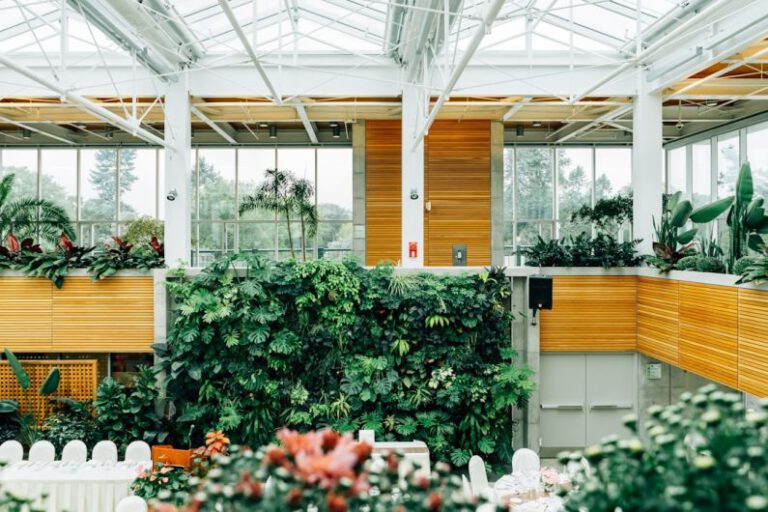
Another important aspect of green buildings is the incorporation of natural light and biophilic design principles. Natural light not only helps reduce the need for artificial lighting but also has been shown to improve mood, productivity, and overall health. Biophilic design aims to connect occupants with nature by integrating elements such as indoor plants, green walls, and natural materials. This connection to nature has been linked to lower stress levels, increased creativity, and a greater sense of well-being among building occupants.
Support for Physical Activity
Green buildings often include features that promote physical activity and wellness among occupants. For example, many green buildings have staircases that are prominently located and visually appealing, encouraging occupants to take the stairs instead of using elevators. Additionally, green buildings may offer amenities such as fitness centers, walking trails, or outdoor recreational areas that promote an active lifestyle. By providing opportunities for physical activity, green buildings can help improve occupants’ fitness levels, reduce sedentary behavior, and support overall health.
Noise Reduction and Stress Reduction
Green buildings are designed to minimize noise pollution from both external sources, such as traffic, and internal sources, such as HVAC systems. By incorporating sound-absorbing materials, strategic building orientations, and landscaping features, green buildings can create a quieter and more peaceful indoor environment. Reduced noise levels have been shown to lower stress levels, improve concentration, and enhance overall well-being. By creating a more tranquil environment, green buildings can support mental health and productivity among occupants.
Conclusion: A Healthy Future with Green Buildings
The impact of green buildings on human health is undeniable. By prioritizing factors such as indoor air quality, thermal comfort, natural light, physical activity, and stress reduction, green buildings have the potential to significantly improve the well-being of their occupants. As the demand for sustainable and healthy buildings continues to grow, the integration of health-promoting features in building design will become increasingly important. By embracing green building practices, we can create a healthier and more sustainable future for all.