What’s the Role of Water Management in Sustainable Buildings?
Water Management in Sustainable Buildings
Water management plays a crucial role in the design and operation of sustainable buildings. As the world grapples with increasing environmental challenges, the efficient use of water resources has become a top priority for architects, engineers, and building owners. Sustainable buildings are designed to minimize their impact on the environment while maximizing energy efficiency and resource conservation. In this context, effective water management strategies are essential for achieving sustainability goals and reducing the overall environmental footprint of buildings.
Importance of Water Conservation
Water is a precious resource that is essential for life, and yet it is often taken for granted. In many parts of the world, water scarcity is a growing concern, exacerbated by factors such as population growth, urbanization, and climate change. Sustainable buildings recognize the importance of water conservation and aim to reduce water consumption through various measures.
One of the key strategies for water conservation in buildings is the use of water-efficient fixtures and appliances. Low-flow toilets, faucets, and showers can significantly reduce water usage without compromising performance. Additionally, rainwater harvesting systems can capture and store rainwater for non-potable uses such as irrigation, toilet flushing, and cooling systems. By integrating these technologies into building design, water consumption can be minimized, leading to cost savings and environmental benefits.
Stormwater Management
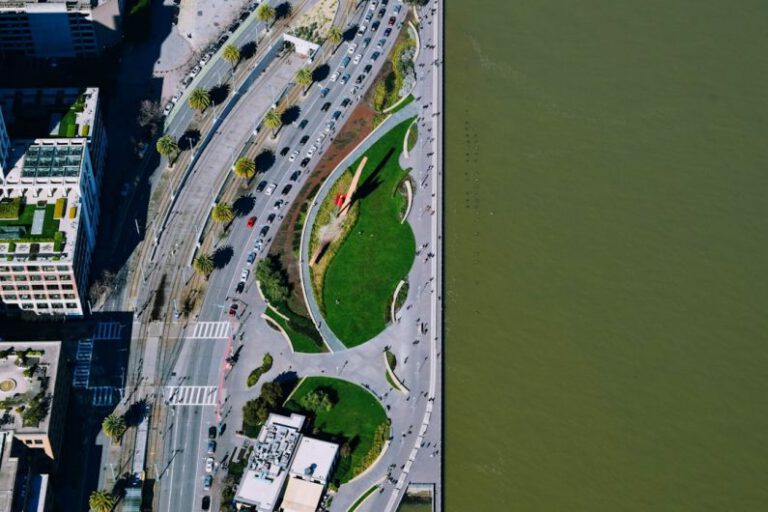
In urban areas, stormwater runoff is a major source of pollution, carrying contaminants such as oil, chemicals, and litter into water bodies. Sustainable buildings incorporate stormwater management strategies to reduce runoff and improve water quality. Green roofs, permeable pavements, and rain gardens are examples of green infrastructure that can help absorb and filter stormwater, preventing pollutants from entering waterways.
By implementing these techniques, sustainable buildings can mitigate the urban heat island effect, reduce flooding, and enhance biodiversity in urban environments. Furthermore, green infrastructure promotes a more sustainable water cycle by allowing rainwater to infiltrate into the ground, replenishing groundwater resources and reducing the burden on municipal water treatment systems.
Water Recycling and Reuse
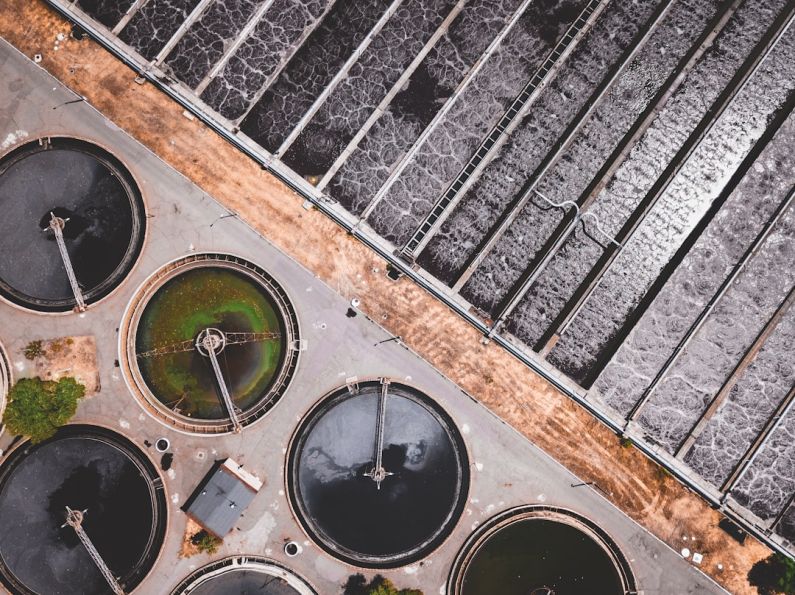
Water recycling and reuse technologies are becoming increasingly popular in sustainable buildings, offering a way to reduce water demand and wastewater discharge. Greywater systems capture and treat water from sinks, showers, and laundry for non-potable uses, such as toilet flushing and irrigation. Similarly, blackwater treatment systems can treat sewage on-site, producing reclaimed water that meets strict quality standards for reuse.
These systems not only conserve water but also reduce the strain on public utilities and wastewater treatment plants. By closing the loop on water resources within buildings, sustainable design can achieve greater self-sufficiency and resilience in the face of water scarcity and disruptions to water supply.
Integrated Design Approach
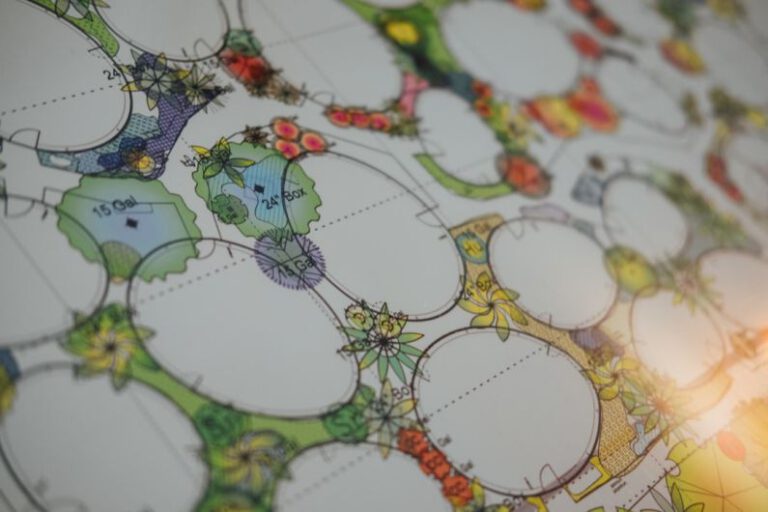
A holistic approach to water management is essential for the success of sustainable buildings. Integrated design teams bring together architects, engineers, landscape architects, and other stakeholders to collaborate on water-efficient strategies from the early stages of project development. By considering water management alongside energy efficiency, material selection, and indoor environmental quality, buildings can achieve a more comprehensive level of sustainability.
Through innovative design solutions and advanced technologies, sustainable buildings can optimize water use, reduce environmental impact, and enhance occupant comfort and well-being. Water management is a critical component of sustainable design that has the potential to transform the way we think about building construction and operation. By prioritizing water conservation, stormwater management, water recycling, and integrated design, we can create a more resilient and sustainable built environment for future generations.